Pay your Bill
Do Crooked Teeth Get Worse Over Time? What Experts Say


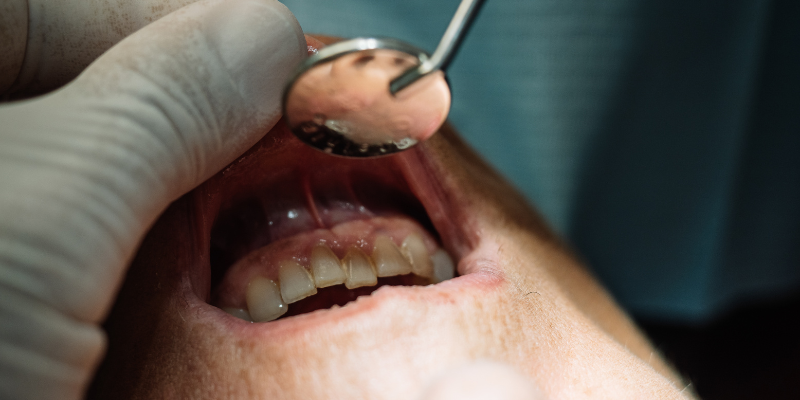
If you’ve ever looked in the mirror and wondered whether slightly crooked teeth will “just stay the same,” you’re not alone. Many teens and adults assume that once permanent teeth come in, their alignment is set for life. The truth? Teeth are constantly shifting.
Over time, bite pressure, aging, jaw changes, and daily habits can gradually move teeth out of position. What starts as mild crowding can become more noticeable. That’s often when people begin searching for an orthodontist near me in Issaquah to understand their options and prevent further changes.
Let’s break down what really happens and what experts recommend.
Why Teeth Shift as You Age
Teeth aren’t fixed in concrete. They’re supported by bone and ligaments that respond to pressure and natural changes in the body. Here’s why crooked teeth can worsen over time:
1. Natural Aging Process
As we age, bone density and jaw structure subtly change. Lower front teeth, in particular, are prone to crowding in adulthood even if you had braces years ago.
2. Bite Pressure and Grinding
Clenching or grinding (often stress-related) applies repeated force, slowly pushing teeth out of alignment.
3. Tooth Loss
Missing teeth create space. Neighboring teeth may drift into that gap, causing imbalance.
4. Gum Health Issues
Gum disease weakens the support structure of teeth, increasing movement and instability.
5. Not Wearing a Retainer
If you’ve had braces or clear aligners before, skipping your retainer can allow teeth to relapse.
What Experts Say About Leaving Crooked Teeth Untreated
Crooked teeth are not just a cosmetic concern. While appearance matters for confidence, oral health is the bigger issue.
Here’s what professionals commonly observe:
- Increased risk of cavities due to hard-to-clean crowded areas
- Higher likelihood of gum inflammation
- Uneven tooth wear from improper bite alignment
- Jaw discomfort or TMJ symptoms
- Speech difficulties in some cases
Small alignment problems can become more complex over time. That’s why early evaluation matters even if treatment isn’t immediately necessary.
If you’re unsure whether your case requires action, consulting an experienced orthodontist can help determine if your teeth are stable or likely to shift further.
Signs Your Teeth May Be Getting Worse
Wondering if your teeth are changing? Watch for these signs:
- Your bottom front teeth look more crowded than a few years ago
- Flossing has become harder
- Your bite feels “off” when chewing
- You notice new overlapping or rotation
- Your retainer feels tight (a big red flag)
Many families in growing communities like Issaquah Highlands and Talus notice changes during teen growth spurts or early adulthood. Growth and jaw development can significantly affect alignment.
Is It Ever “Too Late” to Fix Crooked Teeth?
No. Orthodontic treatment works at almost any age as long as teeth and gums are healthy.
Adults today have more discreet options than ever, including clear aligners and low-profile braces. Treatment is often more comfortable and efficient than people expect.
If you’ve been typing an orthodontist near me in Issaquah into your search bar, chances are you’re already thinking about making a change. The good news? Modern solutions are designed to fit busy schedules whether you’re commuting to Seattle, managing school activities, or balancing work and family life.
What Happens If You Ignore the Problem?
Let’s look long-term.
If crooked teeth are left untreated:
- Crowding may increase
- Cleaning becomes more difficult
- Risk of gum recession rises
- Bite misalignment can strain jaw joints
- Cosmetic concerns may impact confidence
Not every case becomes severe but many do gradually progress.
The earlier you evaluate the situation, the more conservative treatment can be. Mild alignment issues today may require shorter treatment than waiting five or ten years.
Treatment Options That Prevent Worsening
Depending on your needs, solutions may include:
Clear Aligners
Nearly invisible and removable, ideal for teens and adults.
Traditional Braces
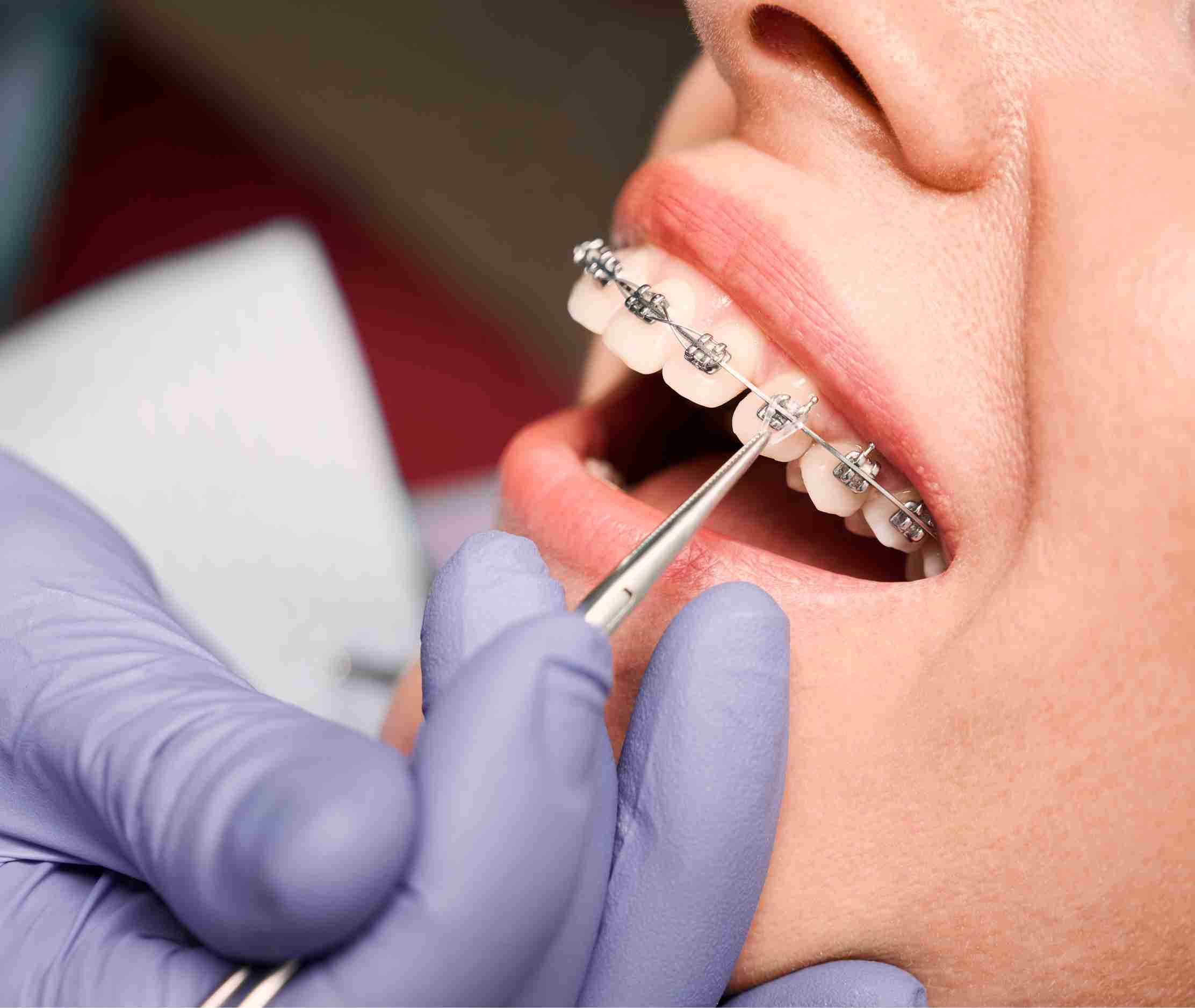
Effective for moderate to complex cases.
Retention Therapy
If you’ve had prior treatment, wearing or replacing a retainer can stabilize shifting.
An experienced orthodontist can create a personalized plan based on your bite, age, and goals.
Why Local Evaluation Matters
Living in Issaquah means access to high-quality dental care without traveling far. Whether you’re near Front Street, Cougar Mountain, or the Sammamish border, convenient care makes follow-through easier.
Choosing a trusted orthodontist near me in Issaquah ensures:
- Ongoing monitoring
- Personalized treatment adjustments
- Easy appointment scheduling
- Support for teens balancing school and sports
Local care also helps families stay consistent which directly impacts results.
Quick Self-Check: Should You Schedule a Consultation?
Ask yourself:
- Have my teeth shifted in the last 2–3 years?
- Do I avoid smiling in photos?
- Is flossing difficult in certain spots?
- Did I stop wearing my retainer?
- Do I feel jaw tension or uneven bite pressure?
If you answered yes to even one, it may be time for a professional opinion.
Why Early Action Matters
Crooked teeth rarely stay exactly the same over time. While changes may be gradual, they can impact both health and confidence.
The earlier you evaluate the issue, the more options you typically have. Whether the solution is monitoring, retainers, or active treatment, understanding your situation puts you in control.
If you’ve been searching for an orthodontist near me in Issaquah, now may be the right time to take the next step.
At Tingey Orthodontics, we help families throughout Issaquah achieve healthy, confident smiles with modern, personalized care. Schedule your consultation today and discover how simple protecting your smile can be.
Frequently Asked Questions
Do Crooked Teeth Always Get Worse With Age?
Not always, but many cases show gradual crowding — especially in lower front teeth.
Can Crooked Teeth Cause Headaches Or Jaw Pain?
Yes, misalignment can strain jaw muscles and joints.
Is Minor Crowding Really A Big Deal?
Even small overlaps can increase plaque buildup and gum irritation.
How Long Does Treatment Usually Take?
Mild cases may take 6–12 months. Moderate cases may take 12–24 months.
Can Adults Still Straighten Their Teeth?
Absolutely. Many patients begin treatment in their 30s, 40s, and beyond.
What If I Had Braces Before?
Teeth can relapse. A new evaluation can determine the best correction method.