Pay your Bill
Teeth Shifted After Braces? Here’s Why It Happens (And What You Can Do About It)


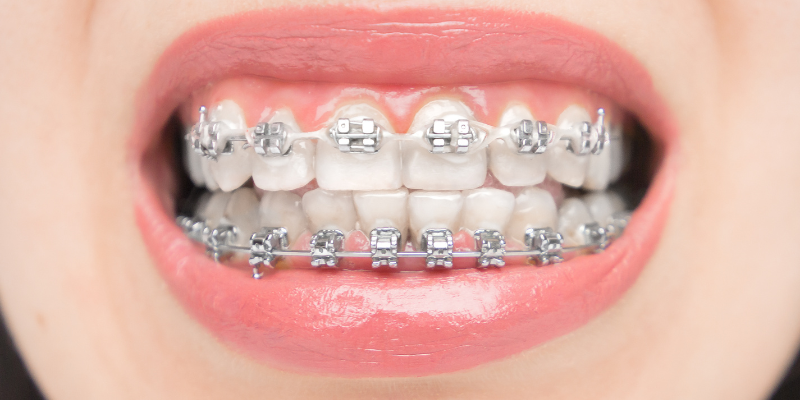
You did everything right. You wore your braces, kept your appointments, and celebrated the day they finally came off. Then, months or years later, you caught yourself in a mirror and something looked off. Your teeth had shifted.
If this sounds familiar, you’re far from alone. Teeth movement after orthodontic treatment is more common than most people expect, and it happens for reasons that are actually pretty well understood. The good news? It’s almost always fixable.
Here’s a straightforward breakdown of why teeth shift after braces, what you can do to stop it, and when it’s time to visit an orthodontist.
Why Teeth Move After Braces
Your teeth aren’t locked into your jaw like bolts in concrete. They sit in a dynamic system held by ligaments, influenced by the pressure of your lips and tongue, and constantly responding to the forces placed on them over time.
When braces are removed, your teeth naturally want to drift back toward their original positions. This is called relapse, and it happens for a few main reasons.
You stopped wearing your retainer. This is the number one cause of post-braces shifting. Retainers are not optional; they’re the final phase of orthodontic treatment. Without consistent retainer wear, especially in the first year after braces, teeth will move. Period. Many patients searching for an orthodontist near me in Issaquah are surprised to learn that long-term retainer use is essential for maintaining straight teeth.
Your wisdom teeth came in. The arrival of third molars can push the surrounding teeth forward, crowding the front teeth over time. This is especially common in young adults in their late teens and early twenties. Issaquah families often deal with this around the time kids head off to college right when retainer habits tend to slip.
Age-related changes. As you get older, your jawbone naturally loses density and your facial structure shifts slightly. These changes can put new pressure on your teeth, causing gradual crowding even decades after braces.
Gum disease or bone loss. When the supporting structures of your teeth are compromised, teeth can loosen and drift. This makes regular dental checkups just as important as your orthodontic care.
Natural bite pressure. Chewing, clenching, and grinding all exert force on your teeth daily. Over years, these forces can slowly nudge teeth out of alignment.
How Much Shifting Is Normal?
Some minor movement after braces is completely normal. Teeth settle slightly as the bone around them remodels. A slight adjustment in the first few weeks after braces come off is expected and not a cause for concern.
What’s not normal is significant crowding, spacing, or a noticeable change in your bite. If you’re looking at your teeth and thinking, “This doesn’t look like it did right after my braces came off,” it’s time to get it checked out. Many people searching for an orthodontist near me in Issaquah are often dealing with teeth shifting years after treatment and want to know whether the changes are minor or signs of relapse.
What You Can Do Right Now
If you’ve noticed shifting, here are your immediate steps:
Dig out your retainer. If it’s been sitting in a drawer and still fits, start wearing it again. Even if it feels tight, wearing it consistently may help minor shifting correct itself.
Don’t force a retainer that no longer fits. If the retainer is too tight or causes pain, stopping it can actually crack teeth or damage roots. You need a professional evaluation first.
Book an appointment with an orthodontist. Whether you need a new retainer, a round of clear aligners, or simply a check-up, an orthodontist can assess what’s actually happening and recommend the right next step.
Watch for warning signs. Tenderness when biting, visible gaps or crowding, or a jaw that feels “off” are all signals that shifting has gone beyond cosmetic. Not dismissing these early interventions is always easier and less costly than waiting.
Your Options for Fixing Shifted Teeth
Depending on how much your teeth have moved, treatment options range from simple to more involved:
A new retainer may be all you need if the shifting is minor. Your orthodontist can take new impressions and have a retainer made that fits your current alignment.
Clear aligners like Invisalign are a popular choice for moderate relapse. They’re discreet, removable, and highly effective for adults who want to correct their alignment without going back to traditional brackets.
A second round of braces may be recommended if the shifting has been significant. While this isn’t the news anyone wants to hear, modern braces are more comfortable and efficient than ever before.
The right option really depends on your specific situation which is exactly why a personalized consultation matters.
Life in Issaquah: Why Retainer Habits Often Slip Here
Issaquah is a busy, active community. Between hiking Cougar Mountain, evening activities at Issaquah Highlands, and the general pace of life in the greater Eastside area, it’s easy for small health habits like wearing a retainer to fall through the cracks. Kids who finish treatment at one of our local schools head off to the University of Washington or WSU and forget the retainer at home. Adults get busy and assume their teeth are set for life.
We’ve seen it many times in our Issaquah practice, and it’s nothing to be embarrassed about. Life gets full. What matters is catching the shift early and getting back on track before more involved treatment becomes necessary.
Ready to Get Your Teeth Back on Track?
If your teeth have shifted after braces, the worst thing you can do is wait and hope they correct themselves. They won’t but the right orthodontist absolutely can help.
At Tingey Orthodontics, we work with patients across Issaquah, Sammamish, and the surrounding Eastside communities to provide personalized, compassionate orthodontic care for every stage of life. Whether you need a new retainer, a short course of clear aligners, or a full consultation to understand your options, we’re here to help.
As your local orthodontist near me in Issaquah, we make it easy to get started with flexible scheduling and a team that genuinely cares about your long-term results.
Book your consultation today and let’s get your treatment back on track.
FAQs
How long does it take for teeth to shift after stopping retainer use?
Movement can begin within a few weeks, especially in the first year after braces. It’s often gradual, so people don’t notice until it’s already significant.
Can I fix shifted teeth without going back to braces?
Often, yes. Clear aligners work well for mild to moderate relapse. Your orthodontist will recommend the right option based on how much movement has occurred.
My retainer doesn’t fit anymore. Should I force it?
No. Forcing it can crack teeth or damage roots. Get a new retainer made by your orthodontist based on your current alignment.
Is retreatment covered by insurance?
It depends on your plan. Some policies cover partial retreatment costs. Our team at Tingey Orthodontics can help you review your benefits before getting started.
How do I find a good orthodontist near me in Issaquah?
Look for board-certified providers with strong local reviews who treat both teens and adults. Tingey Orthodontics offers complimentary consultations to help you understand your options.