Pay your Bill
Traditional Metal Braces: What Makes Them Effective for Straightening Teeth?


Crooked teeth can affect more than the appearance of your smile. Crowding, spacing, and bite problems can also make everyday oral hygiene and chewing more challenging. Traditional metal braces offer a reliable orthodontic approach for correcting many of these concerns.
Modern braces use carefully designed brackets and wires to guide teeth into improved positions. Their fixed structure provides continuous treatment without requiring patients to remove an appliance. For families and individuals considering metal braces in Issaquah, understanding the treatment process can make the decision easier.
How Do Traditional Metal Braces Straighten Teeth?
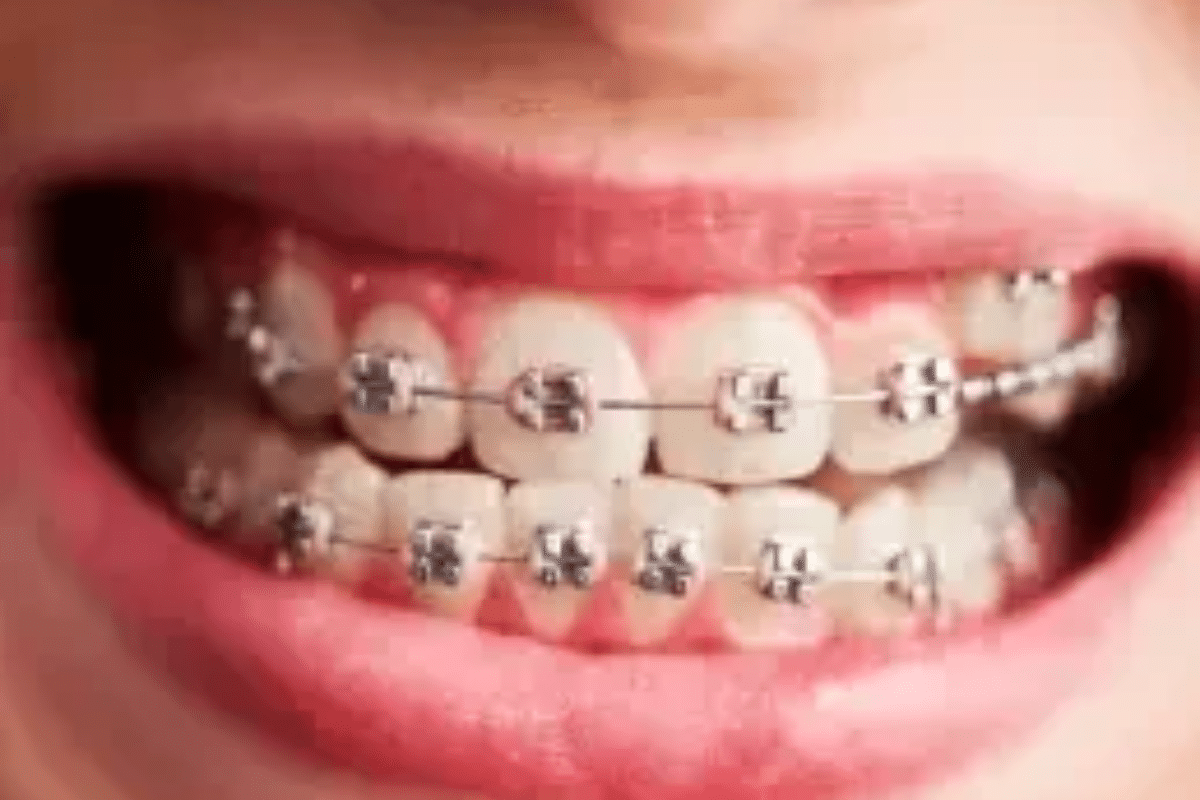
Traditional metal braces use small metal brackets attached to individual teeth. An orthodontic wire connects these brackets and applies controlled pressure. This pressure gradually guides teeth toward their planned positions.
The orthodontist adjusts the wire throughout treatment. These adjustments help manage tooth movement and address specific alignment concerns. Small elastic bands may also secure the wire within each bracket.
Braces can correct several orthodontic problems, including:
- Crowded teeth that overlap or twist.
- Gaps between teeth caused by spacing concerns.
- Overbites involving excessive vertical overlap.
- Underbites involving an improper front-tooth relationship.
- Certain crossbites affecting upper and lower teeth.
- Misaligned dental arches that affect bite function.
The treatment plan depends on the severity of each condition. An orthodontic examination helps determine which movements are necessary.
Why Do Patients Still Choose Metal Braces?
Clear aligners have become increasingly popular, but metal braces remain an important orthodontic treatment. Their fixed design offers several practical benefits.
Continuous Treatment
Metal braces remain attached throughout the treatment period. Patients do not need to remember to insert aligners after meals. This can make fixed braces suitable for people who struggle with removable appliances.
Precise Tooth Movement
Brackets and wires allow orthodontists to control individual tooth movements. This helps address different alignment and bite concerns. Treatment mechanics can be adjusted as the teeth respond.
Suitability for Different Cases
Metal braces can address many mild, moderate, and complex orthodontic concerns. They may be appropriate when removable aligners cannot provide the required movements. The orthodontist determines suitability after reviewing diagnostic records.
Colorful Personalization
Traditional braces include elastic bands that come in different colors. Children and teenagers can select combinations during adjustment appointments. This small detail can make orthodontic treatment more engaging.
What Happens During Metal Braces Treatment?
Understanding each stage helps patients prepare for orthodontic care. The process begins with an evaluation and continues through regular monitoring.
1. Initial Orthodontic Consultation
The orthodontist examines your teeth, bite, and jaw relationship. Digital scans, photographs, or X-rays may help evaluate your orthodontic condition. These records support treatment planning.
2. Personalized Treatment Planning
The orthodontist identifies the alignment problems requiring correction. The treatment plan outlines the recommended appliances and expected treatment stages. Patients can also discuss their questions and concerns.
3. Braces Placement
The orthodontic team cleans and prepares the teeth before attaching brackets. An archwire connects the brackets to begin controlled tooth movement. Patients receive instructions about eating and cleaning.
4. Regular Adjustments
Periodic appointments allow the orthodontist to monitor progress. Wire adjustments may help guide teeth through planned movements. Appointment schedules depend on individual treatment requirements.
5. Braces Removal and Retention
Once the orthodontist confirms that treatment goals have been reached, the braces are removed. Patients then receive instructions about wearing retainers. Retainers help maintain tooth positions after active treatment.
How Long Do Traditional Metal Braces Take?
Metal braces treatment does not follow one timeline for everyone. Some patients need relatively simple alignment corrections. Others require more extensive bite and tooth-position changes.
Treatment duration depends on several factors:
- The severity of crowding or spacing.
- The type of bite correction required.
- Individual biological responses to tooth movement.
- Consistency with scheduled appointments.
- Following dietary and oral hygiene instructions.
Your orthodontist can provide an estimated timeline after evaluating your teeth. Regular appointments help monitor progress and identify any necessary adjustments.
Caring for Your Teeth During Braces Treatment
Good oral hygiene becomes especially important when brackets and wires are present. Food particles can collect around orthodontic components. Consistent cleaning helps reduce plaque buildup and protect enamel.
Follow these daily care practices:
- Brush after meals using fluoride toothpaste.
- Clean carefully around brackets and along the gumline.
- Floss daily with orthodontic flossing aids.
- Avoid hard candies, ice, and sticky foods.
- Cut firm fruits and vegetables into smaller pieces.
- Attend scheduled dental cleanings and orthodontic visits.
Patients should also contact their orthodontist if brackets become loose. Damaged wires can irritate the cheeks or gums. Prompt attention helps prevent unnecessary treatment interruptions.
Are Metal Braces Right for Teenagers and Adults?
Metal braces can be suitable for patients at different life stages. Teenagers commonly receive treatment because their permanent teeth have erupted. Adults can also correct alignment and bite concerns with braces.
Age alone does not determine treatment suitability. The orthodontist considers dental health, bone support, bite relationships, and individual goals. A consultation helps identify the most appropriate approach.
Explore Metal Braces at Tingey Orthodontics in Issaquah
Choosing braces begins with understanding your orthodontic needs. Tingey Orthodontics provides treatment options for children, teenagers, and adults. Dr. MacKay Tingey evaluates each patient before recommending an appropriate treatment approach.
Patients from Issaquah, Sammamish, and nearby Eastside communities can explore metal braces and other orthodontic options. Ready to explore traditional metal braces? Schedule an orthodontic consultation today!
Frequently Asked Questions
1. Are traditional metal braces suitable for adults?
Yes, adults can receive traditional metal braces for many alignment and bite concerns. The orthodontist evaluates dental health and treatment requirements before recommending braces. Age alone does not prevent orthodontic treatment.
2. Do metal braces hurt?
Patients may experience temporary soreness after braces placement or wire adjustments. This discomfort generally improves as the mouth adapts. Persistent pain or appliance damage should be reported to the orthodontic office.
3. Can metal braces correct an overbite?
Metal braces can help correct many overbite problems. Some cases require additional appliances or other orthodontic mechanics. The treatment approach depends on the underlying tooth and jaw relationships.
4. How often do patients visit the orthodontist with metal braces?
Patients generally attend periodic appointments throughout treatment. Visit frequency depends on the orthodontic plan and progress. The orthodontist provides an appointment schedule based on individual needs.