Pay your Bill
How Invisalign Corrects Different Bite and Alignment Problems


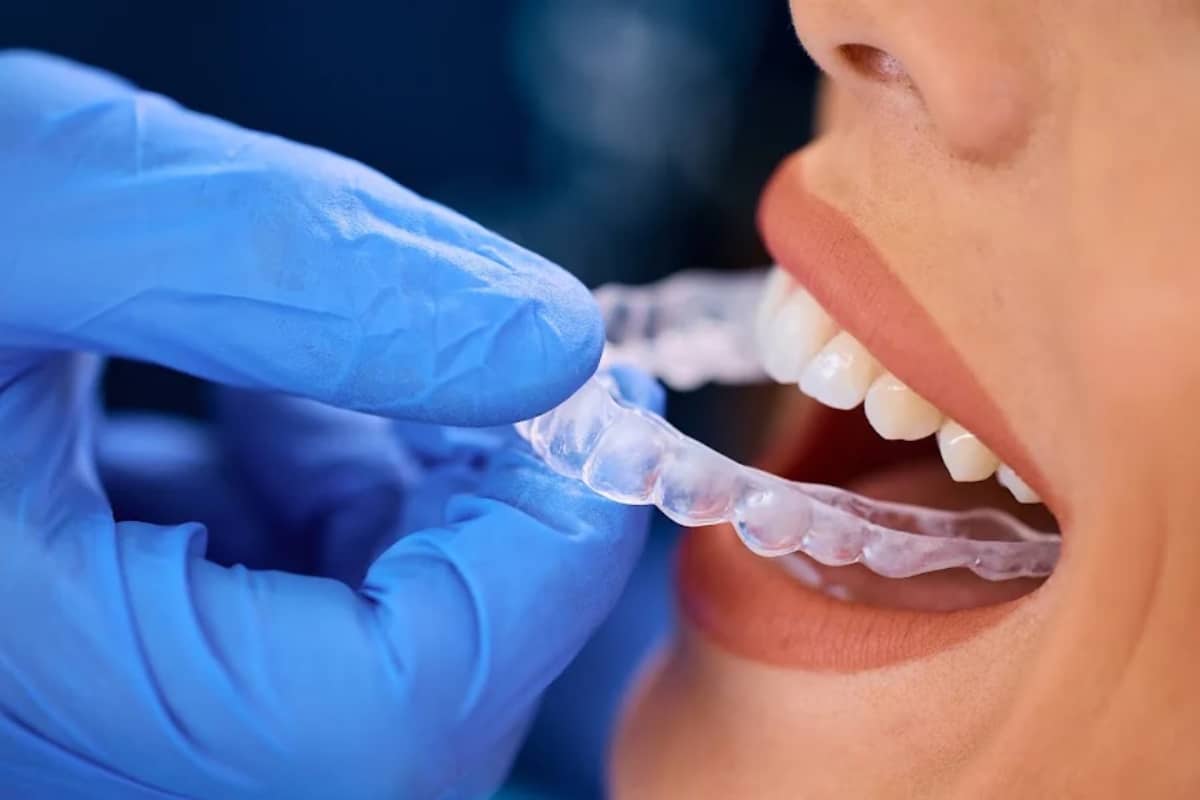
Straightening your teeth does not always require traditional metal braces. Invisalign offers a removable alternative that uses transparent aligners to guide teeth into planned positions. This treatment appeals to teenagers and adults who prefer a less noticeable orthodontic option.
However, Invisalign does more than address slightly crooked front teeth. Clear aligners can correct several alignment and bite concerns when clinically appropriate. For patients considering Invisalign in Issaquah, understanding its capabilities can help clarify whether treatment suits their needs.
What Is Invisalign and How Does It Work?
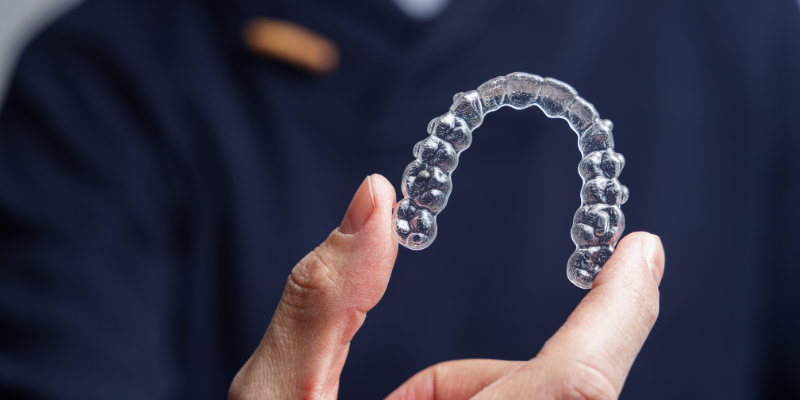
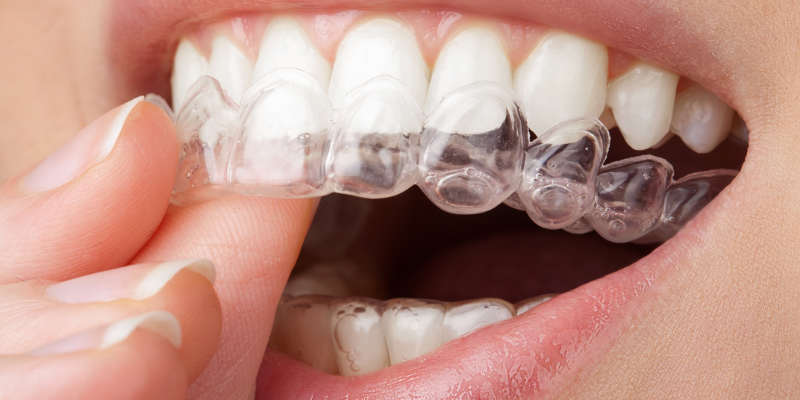
Invisalign uses a series of custom-made, transparent plastic aligners. Each aligner applies controlled pressure to move specific teeth gradually. Patients progress through different sets according to their orthodontist’s instructions.
The treatment begins with an examination and digital treatment planning. An intraoral scanner can capture detailed images of the teeth. These records help the orthodontist plan the intended tooth movements.
Patients typically wear their aligners for 20 to 22 hours daily. They remove them before eating, drinking anything besides water, brushing, and flossing. Consistent wear helps keep treatment progressing according to schedule.
What Orthodontic Problems Can Invisalign Correct?
Invisalign can address several dental alignment and bite concerns. Treatment suitability depends on the complexity of each patient’s condition.
Crowded Teeth
Crowding occurs when teeth overlap because the available dental arch space is insufficient. Overlapping teeth can make brushing and flossing more difficult. Invisalign may help create a more orderly arrangement through planned tooth movements.
Gapped Teeth
Spacing problems occur when noticeable gaps develop between teeth. Missing teeth, jaw size, and tooth proportions can contribute to these spaces. Invisalign can gradually move selected teeth closer together when appropriate.
Overbite
An overbite describes the vertical overlap of upper front teeth over lower front teeth. Excessive overlap may create unwanted tooth contact or wear. Invisalign can correct certain overbite cases through carefully planned movements.
Underbite
An underbite occurs when lower front teeth sit ahead of upper front teeth. The condition may involve dental positioning or underlying jaw relationships. Invisalign may address selected dental cases, while more complex skeletal cases need different treatment approaches.
Crossbite
A crossbite occurs when upper teeth bite inside corresponding lower teeth. It can affect front teeth, back teeth, or both. Invisalign may correct suitable cases using planned aligner movements and attachments when needed.
Open Bite
An open bite occurs when certain upper and lower teeth fail to meet during closure. This may affect biting and chewing. Invisalign can help address selected open bite cases, depending on their cause and severity.
An orthodontic examination determines whether clear aligners can address the specific problem. Some complex conditions may respond better to braces or combined treatment.
What Happens During Invisalign Treatment?
Understanding the treatment stages helps patients prepare for their aligner journey.
Complimentary Consultation
The orthodontist evaluates your teeth, bite, and treatment goals. This examination helps determine whether Invisalign is appropriate.
Digital Scanning and Treatment Planning
An intraoral scanner captures digital images of your teeth. The orthodontist uses these records to plan tooth movements and estimate treatment duration. Patients may also preview the projected alignment changes.
Custom Aligner Fabrication
A series of aligners is manufactured according to the approved treatment plan. Each set is designed for a specific stage of tooth movement.
Daily Aligner Wear
Patients wear their aligners for the prescribed daily duration. They change trays according to the orthodontist’s instructions. Consistent use helps maintain the planned progression.
Progress Appointments
Periodic visits allow the orthodontist to assess tooth movement and aligner fit. Additional attachments or refinements may be recommended when necessary.
Retainer Wear
After active treatment, retainers help maintain the corrected tooth positions. Patients should follow the orthodontist’s retention instructions to reduce unwanted shifting.
Is Invisalign Suitable for Teenagers and Adults?
Invisalign can be suitable for many teenagers and adults. However, treatment eligibility depends on dental development and orthodontic complexity.
Teenagers need enough permanent teeth for the planned movements. They must also follow daily wear instructions consistently. Parents can help younger patients maintain their aligner routines.
Adults may appreciate the removable design during professional and social activities. However, clear aligners still require discipline and regular monitoring. An orthodontic evaluation helps determine whether treatment is appropriate.
Tips for Getting the Most From Invisalign
Patient cooperation plays an important role in aligner treatment. Following the orthodontist’s instructions helps prevent avoidable delays.
- Wear aligners for the prescribed 20 to 22 hours daily.
- Remove aligners before eating or drinking anything besides water.
- Clean aligners using recommended methods.
- Brush and floss before reinserting trays.
- Store aligners in their protective case.
- Change aligners according to the prescribed schedule.
- Attend all progress appointments.
Never force an aligner that does not fit correctly. Contact your orthodontist if a tray remains loose or uncomfortable.
Start Your Invisalign Journey at Tingey Orthodontics
Tingey Orthodontics provides Invisalign treatment for patients in Issaquah and nearby communities. Dr. MacKay Tingey is an Elite Provider of Invisalign, according to the practice’s website.
The practice uses digital scanning and individualized treatment planning. Patients can discuss clear aligners, expected treatment stages, and other orthodontic options during a complimentary consultation.
Whether you live in Issaquah, Sammamish, or nearby Eastside communities, professional guidance can help clarify your options. Considering clear aligners for your smile? Schedule a consultation at Tingey Orthodontics in Issaquah.
Frequently Asked Questions
1. Can Invisalign correct crowded teeth?
Yes, Invisalign can address many crowding cases through planned tooth movements. The required treatment depends on available space and crowding severity. An orthodontist determines whether clear aligners are appropriate.
2. How many hours should I wear Invisalign daily?
Patients generally need to wear Invisalign aligners for 20 to 22 hours daily. Remove them for meals, beverages other than water, brushing, and flossing. Follow your orthodontist’s specific instructions.
3. Can Invisalign correct an overbite or underbite?
Invisalign can correct selected overbite and underbite cases. However, complex skeletal jaw discrepancies may require different orthodontic approaches. A professional evaluation helps determine treatment suitability.
4. How often should I visit the orthodontist during Invisalign treatment?
Appointment schedules depend on individual treatment requirements. Tingey Orthodontics describes progress visits approximately every six weeks. Your orthodontist will establish the appropriate monitoring schedule.