Pay your Bill
Why Front Teeth Shift First After Orthodontic Treatment



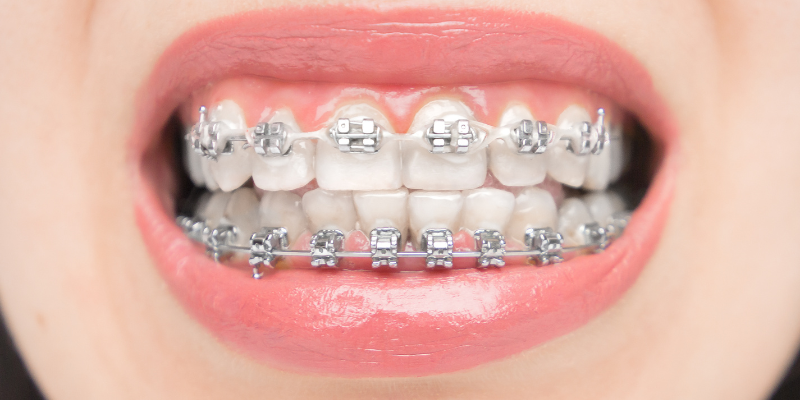
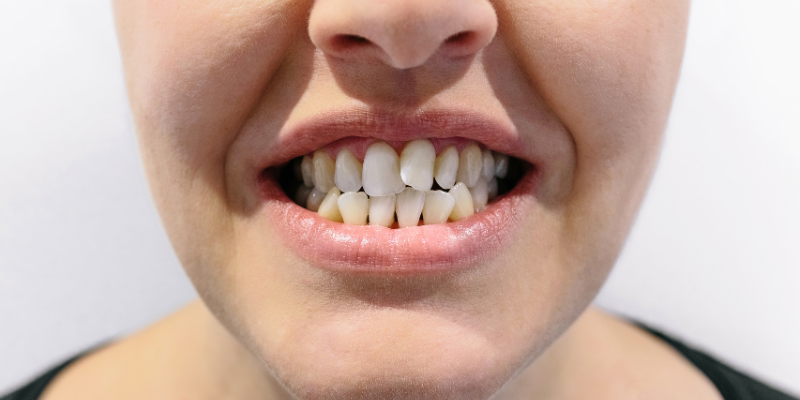
You went through the whole process braces, adjustments, that final appointment where your orthodontist handed you a retainer and sent you off with a straight, beautiful smile. Months, maybe even a couple of years of work. And then, somewhere down the road, you notice it: your front teeth look slightly off. Just a little, but enough to bother you.
If this sounds familiar, you are not alone. Front teeth shifting after orthodontic treatment is one of the most common concerns people bring up with their dental providers. Many adults are surprised when they notice changes years after treatment and begin looking for an orthodontist near me in Issaquah to find out what is causing their teeth to move. The good news is that there are real, well-understood reasons behind this issue. Whether you completed treatment recently or years ago, understanding why it happens can help you maintain your results and know when it is time to act.
The Front Teeth Are the Most Visible – and the Most Vulnerable
Your upper and lower front teeth (the incisors) do not have the structural support that your back molars do. Molars are wide, rooted deeply, and anchored by dense surrounding bone. Front teeth, by contrast, are narrow, relatively shallow-rooted, and surrounded by thinner alveolar bone. This anatomy makes them naturally more susceptible to movement both during orthodontic treatment and after it.
If you have been searching for an orthodontist near me in Issaquah and wondering whether your shifting front teeth are a real problem or just your imagination, the short answer is: both are possible, and only a professional evaluation can tell you which.
The Most Common Reasons Front Teeth Shift
1. Not Wearing the Retainer Consistently
This is the leading cause by a wide margin. After braces or clear aligners come off, teeth naturally want to drift back toward their original positions. This is called relapse, and it happens because the bone and periodontal ligaments surrounding your teeth are still in the process of stabilizing around their new positions. That process takes many months, sometimes longer than most patients expect.
Your retainer is not optional. It is the entire reason your orthodontic results last.
2. Tongue Pressure and Resting Posture
Where your tongue rests in your mouth matters more than most people realize. If you habitually rest your tongue against your front teeth or push forward when swallowing (a pattern called a tongue thrust), that gentle but constant pressure can nudge teeth out of alignment over time. This is one of the more overlooked causes of front-tooth relapse, particularly in younger patients.
3. Wisdom Teeth – A Commonly Blamed Culprit
There has long been debate in the orthodontic community about whether erupting wisdom teeth push front teeth forward. Current research is mixed, but what is clear is that wisdom teeth can create localized pressure and crowding in the back of the mouth, which sometimes indirectly affects how forces distribute through the dental arch. Worth a conversation with your provider.
4. Bone Density Changes Over Time
As we age, the bone that supports our teeth changes in density and volume. This affects how firmly teeth are anchored. Gum recession which can occur due to aggressive brushing, periodontal disease, or simply aging also reduces the structural support around teeth. When support decreases, movement becomes more likely.
5. Grinding and Clenching (Bruxism)
If you grind your teeth at night, the repeated lateral forces on your front teeth can gradually shift them. Many people are unaware they grind at all a sleep partner might notice it first, or a dentist might spot the wear patterns on your enamel.
Why Issaquah Residents Should Pay Attention
Living in the Issaquah area means easy access to some of the Pacific Northwest’s best outdoor recreation hiking Tiger Mountain, kayaking Lake Sammamish, or spending weekends in downtown Issaquah. It also means a community that tends to be health-conscious and proactive about wellness. Orthodontic retention care is no different. If you finished treatment and life got busy, it is never too late to come back in for an evaluation.
Families in Issaquah, Sammamish, and the greater Eastside area often return to their orthodontist when they notice small changes and that early attention almost always means a simpler fix.
What You Can Do Right Now
If you notice your front teeth shifting, here is a straightforward approach:
- Get back to wearing your retainer consistently, especially at night
- Schedule a retainer check retainers can warp, crack, or simply stop fitting over time
- Ask your provider about a fixed (bonded) retainer if you struggle with removable ones
- Rule out contributing factors like bruxism or gum recession with your general dentist
- Do not wait to see if it resolves on its own small shifts are easier and less expensive to address than significant relapse
When You Need More Than Just a Retainer
Sometimes the shift has progressed to a point where a retainer alone will not correct it. In those cases, short-term refinement treatment often with clear aligners may be recommended. Many adult patients are surprised to learn how quickly minor relapse can be addressed compared to their original treatment timeline.
If you are looking for an orthodontist in Issaquah who can evaluate your specific situation and give you honest guidance, the first step is a simple consultation.
Ready to Protect Your Smile?
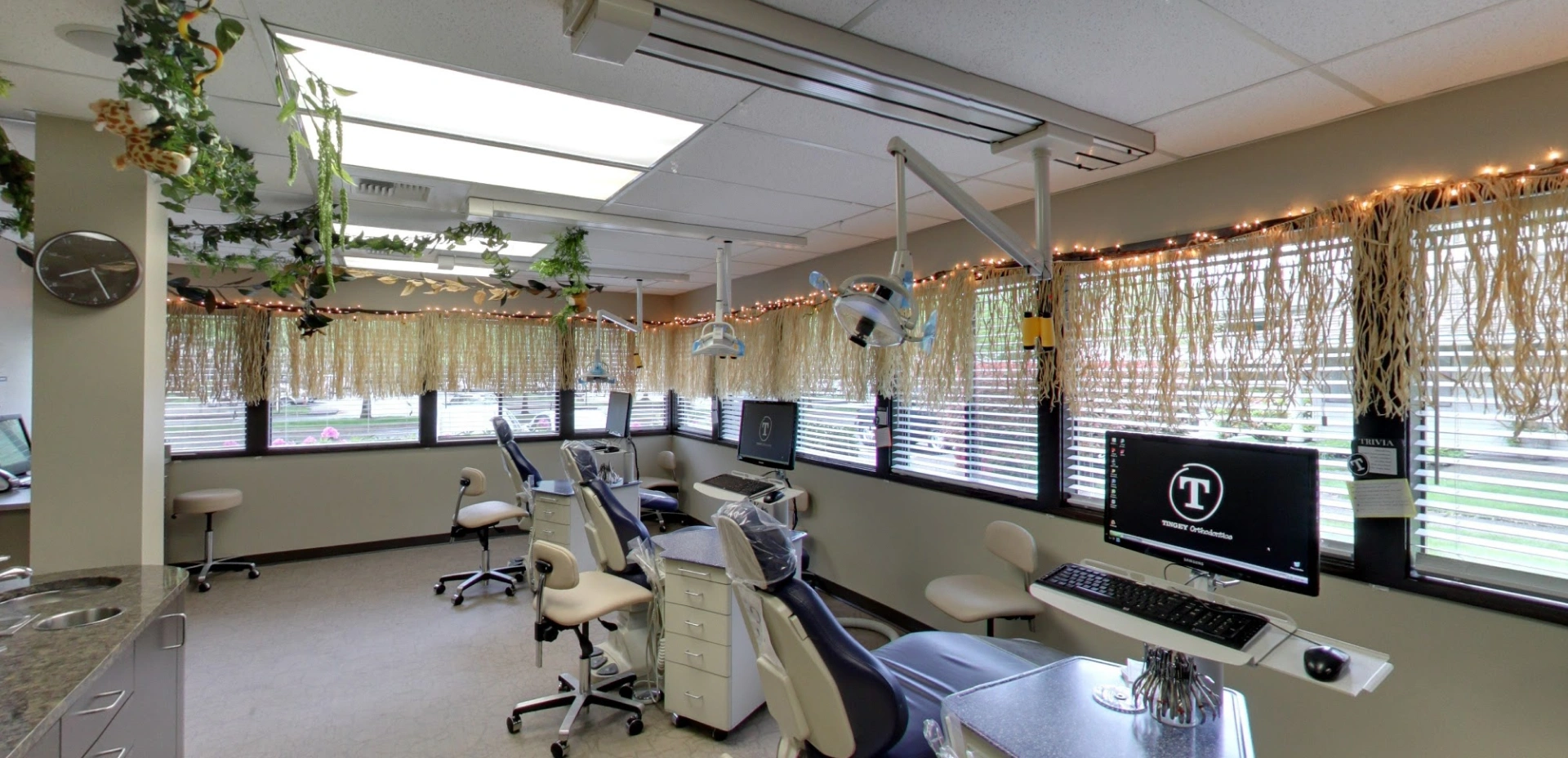
At Tingey Orthodontics, we understand that life gets busy and retainer routines slip. We also know how important your smile is not just for aesthetics, but for your confidence and long-term oral health. Whether you are a former patient noticing changes or someone searching for an orthodontist near me in Issaquah for the first time, our team is here to help you get answers and a plan that fits your life.
Book your appointment today and let us take a look at where your smile stands. A few minutes with our team can save you months of worry and your results are worth protecting.
Frequently Asked Questions
How quickly can front teeth shift after braces come off?
It can begin within weeks if retainers are not worn consistently. The first six to twelve months after treatment are the most critical window for stabilization.
Can I fix shifted front teeth without getting braces again?
In many cases, yes. If the relapse is mild to moderate, clear aligner refinement is often a fast and discreet option. A consultation will tell you which category you fall into.
My retainer no longer fits. What should I do?
Do not try to force it that can cause more harm than good. Schedule a retainer check right away. Depending on how much shifting has occurred, you may need a new retainer or a brief round of corrective treatment.
Are permanent retainers better than removable ones?
They each have trade-offs. Fixed retainers bonded to the back of your front teeth offer continuous retention without compliance concerns, but they require careful cleaning and can break. Your orthodontist can help you decide what suits your lifestyle.
How often should I see my orthodontist after treatment ends?
Annual retainer checks are a smart habit. If you notice any changes in fit or alignment, do not wait to come in sooner.