Pay your Bill
Invisalign vs Braces: Which One Actually Works Better for Adults and Teens?



Choosing how to straighten your teeth is no longer a one-size-fits-all decision. Today, both Invisalign and traditional braces are proven orthodontic solutions, but they serve different needs, lifestyles, and age groups. For adults juggling work, social commitments, and family life and for teens balancing school, sports, and confidence understanding which option truly works better is key.
In communities like Issaquah, where families value both health and convenience, orthodontic care is often about more than just straight teeth. It’s about comfort, flexibility, and results that fit into everyday life. Let’s break down how Invisalign and braces compare for adults and teens so you can make a confident, informed choice.
How Invisalign and Braces Actually Work
Both Invisalign and braces are designed to gently move teeth into better alignment over time, but they do it in very different ways.
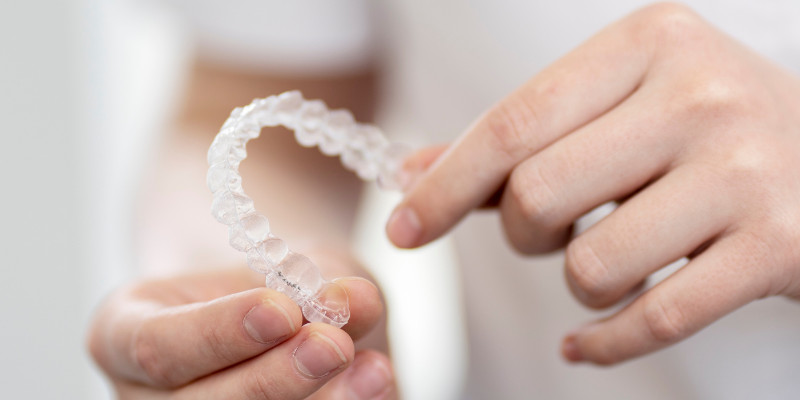
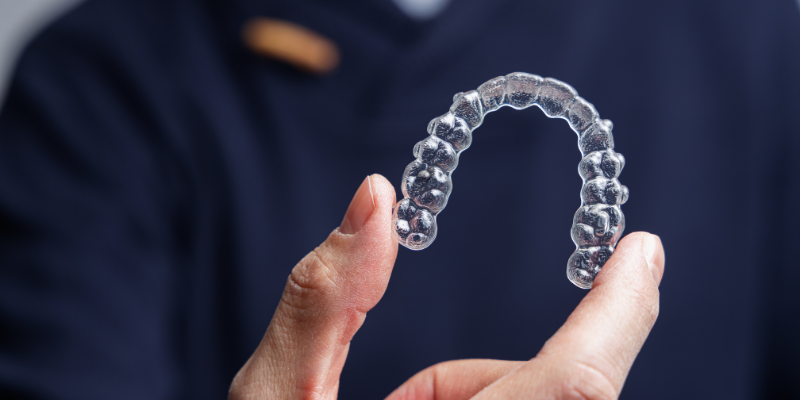
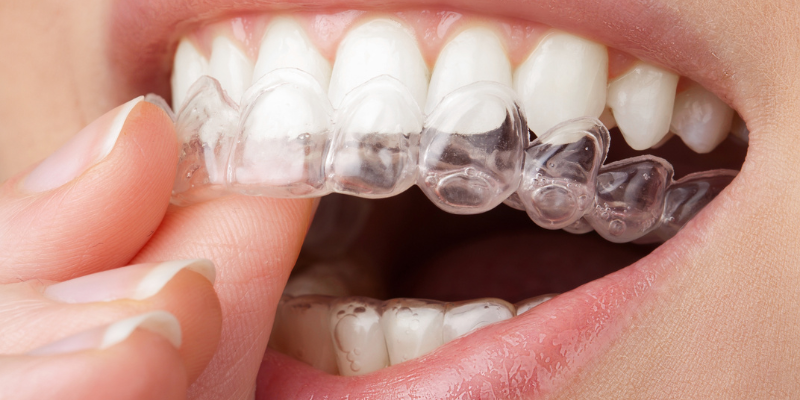
Traditional braces use metal or ceramic brackets attached to teeth, connected by wires that are adjusted regularly. Invisalign, on the other hand, uses a series of clear, removable aligners custom-designed to shift teeth gradually.
If you’ve ever searched for Invisalign near me in Issaquah, you’re likely already thinking about convenience and appearance, two areas where aligners stand out for many patients.
Invisalign vs Braces for Adults
Adults often prioritize discretion, flexibility, and minimal disruption to daily routines.
Why many adults prefer Invisalign:
- Nearly invisible appearance, ideal for professional settings
- Removable for meals, meetings, and special events
- Easier oral hygiene no brackets to clean around
- Fewer emergency visits due to broken wires or brackets
For adults commuting to Bellevue, Seattle, or working locally in Issaquah’s growing business and tech community, Invisalign often blends seamlessly into busy schedules.
When braces may be better for adults:
- More complex bite issues
- Teeth requiring precise or rotational movement
- Patients who prefer a fixed option that doesn’t rely on daily wear discipline
Invisalign vs Braces for Teens
Teen orthodontic treatment is as much about confidence as it is about results.
Why Invisalign works well for many teens:
- Clear aligners boost confidence at school and social events
- No food restrictions great for active teens and athletes
- Less irritation compared to brackets and wires
- Invisalign Teen includes compliance indicators to track wear
Parents in Issaquah often appreciate that aligners can be removed for school photos, performances, or sports, something especially helpful for teens involved in soccer, basketball, or band.
Why braces still work for some teens:
- Ideal for teens who may forget to wear aligners
- Effective for complex orthodontic cases
- No risk of losing aligners
Comfort and Lifestyle: Day-to-Day Differences
Eating and drinking
- Braces come with food restrictions (sticky, crunchy, hard foods)
- Invisalign allows you to eat what you want just remove aligners first
Oral hygiene
- Braces require extra effort to floss and brush
- Invisalign allows normal brushing and flossing routines
Appointments
- Invisalign typically requires fewer in-office visits
- Braces often need more frequent adjustments
For families managing school schedules, work hours, and local activities, these lifestyle differences can play a big role in treatment satisfaction.
Treatment Time and Results
Both Invisalign and braces can deliver excellent results when used correctly.
- Average treatment time ranges from 12–24 months for both
- Invisalign works best when worn 20–22 hours per day
- Braces work continuously without relying on patient compliance
The “better” option depends less on speed and more on consistency and the complexity of the case.
Cost Considerations
Many people assume Invisalign costs significantly more than braces, but that’s not always true. In many cases, pricing is comparable and depends on treatment length and complexity.
Local orthodontic practices often offer:
- Flexible payment plans
- Insurance coordination
- Transparent cost breakdowns
If you’re comparing options while searching for Invisalign near me in Issaquah, it’s helpful to remember that value isn’t just about price, it’s about comfort, convenience, and long-term results.
Quick Comparison: Invisalign vs Braces
Invisalign
- Clear and removable
- Lifestyle-friendly
- Requires discipline
- Ideal for mild to moderate cases
Braces
- Fixed and always working
- Effective for complex cases
- More visible
- No risk of non-compliance
Making the Right Choice for Your Smile
There’s no universal winner between Invisalign and braces, only the option that best fits your lifestyle, needs, and goals. Adults may lean toward flexibility and discretion, while teens may benefit from confidence and comfort. The most important factor is working with an orthodontic team that understands your unique situation and local lifestyle.
At Tingey Orthodontics, patients receive personalized guidance, advanced technology, and treatment plans designed for real life in Issaquah. If you’re ready to explore your options and take the next step toward a confident smile, schedule a consultation today and find out which solution works best for you or your teen.
FAQs
Does Invisalign Work As Well As Braces?
Yes, for many mild to moderate orthodontic issues. Complex cases may benefit more from braces.
Is Invisalign Painful?
Both options can cause mild pressure, especially after adjustments or new aligners, but most patients find Invisalign more comfortable.
Can Teens Lose Invisalign Aligners?
It can happen, but Invisalign Teen features help track wear and encourage responsibility.
How Often Are Appointments Needed?
Invisalign typically requires fewer visits than braces, which can be helpful for busy families.
Is Invisalign Suitable For Adults Who Had Braces Before?
Absolutely. Many adults choose Invisalign for retreatment or minor adjustments.