Pay your Bill
Is Invisalign Painful? What to Expect During Treatment


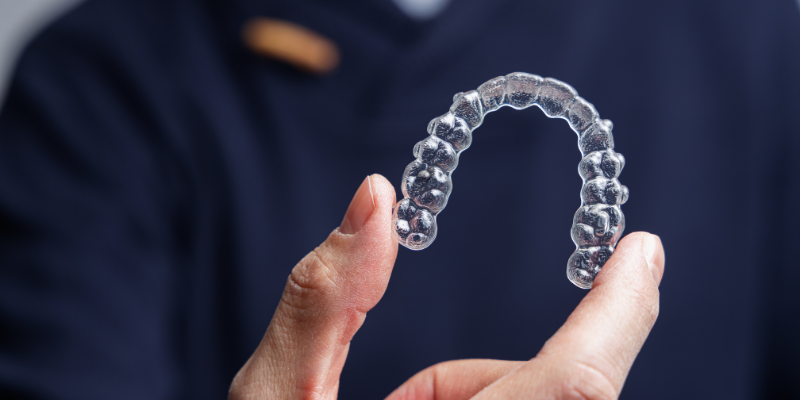
If you’re considering clear aligners, one of the first questions that probably comes to mind is simple: Does Invisalign hurt? It’s a fair concern. After all, any orthodontic treatment involves moving teeth and that can sound uncomfortable.
The good news is that most patients who choose invisalign in Issaquah describe the experience as manageable and far less painful than they expected. While there can be some mild discomfort, it’s typically short-lived and a sign that your treatment is working.
In a community like Issaquah, where busy schedules, outdoor activities, and professional lifestyles are part of daily life, comfort and convenience matter. That’s one of the main reasons many locals search for an invisalign near me in Issaquah; they want a solution that fits seamlessly into their routine without major disruption.
So, Does Invisalign Actually Hurt?
Let’s be clear: Invisalign is not completely pain-free. But calling it “painful” would be misleading for most people.
What you’ll feel is pressure, not sharp pain. This pressure happens because the aligners are gradually shifting your teeth into better alignment. It’s the same biological process used in traditional braces but Invisalign applies force more gently and in smaller, controlled steps.
Most patients report:
- Mild soreness for the first 1–3 days after starting a new aligner
- A feeling of tightness when switching trays
- Occasional sensitivity when chewing
After that, your mouth adjusts quickly, and the discomfort fades.
Why Invisalign Feels More Comfortable Than Braces
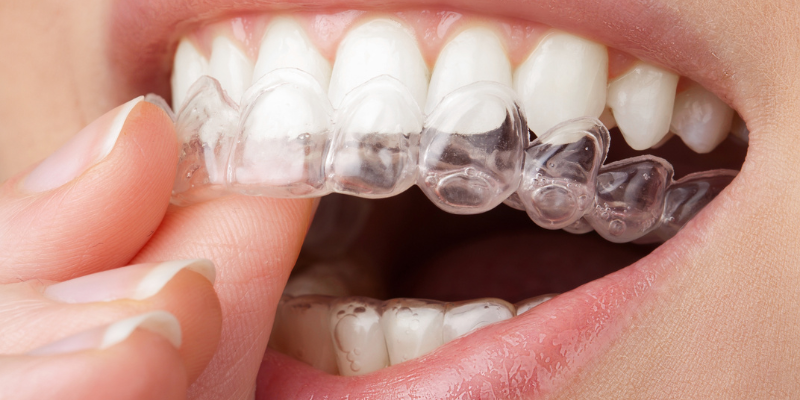
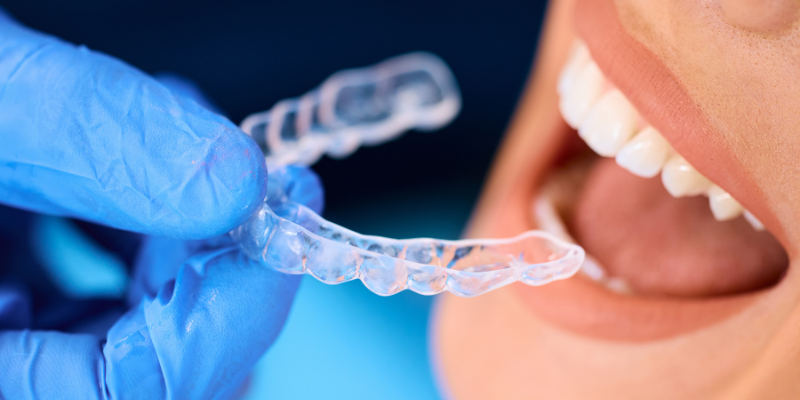
Traditional braces use brackets and wires that can irritate the inside of your cheeks and lips. Invisalign, on the other hand, uses smooth, custom-made aligners designed specifically for your teeth.
That means:
- No metal rubbing against soft tissue
- No emergency visits for broken wires
- Fewer overall adjustments
For patients choosing invisalign in Issaquah, this comfort factor is a major advantage especially for teens in school or adults juggling work and social commitments.
When Does Invisalign Discomfort Happen?
Understanding when discomfort occurs can make the process feel much more manageable.
1. When You Start Treatment
The first few days are the most noticeable. Your teeth are beginning to shift, and your mouth is adjusting to the aligners.
2. When You Switch to a New Tray
Every 1–2 weeks, you’ll move to a new set of aligners. Each new tray applies slightly different pressure, which can cause temporary soreness.
3. If You Skip Wearing Them
If you forget to wear your aligners for the recommended 20–22 hours a day, putting them back in can feel tighter than usual.
Patients searching for invisalign near me in Issaquah are often relieved to learn that this discomfort is predictable and temporary, not constant.
What Does Invisalign Pain Feel Like?
It’s less “pain” and more of a dull pressure. Some patients compare it to:
- The feeling after a dental adjustment
- A slight ache similar to muscle soreness
- Sensitivity when biting into harder foods
It’s important to remember: this sensation means your aligners are doing their job.
Tips to Minimize Discomfort
While Invisalign is already designed for comfort, a few simple habits can make your experience even smoother.
Start by switching to new aligners at night. This allows your teeth to adjust while you sleep, so you wake up past the most noticeable discomfort.
Stick to softer foods during the first day or two of a new tray. Soups, smoothies, and pasta can help reduce pressure while your teeth settle.
If needed, over-the-counter pain relief can help but most patients find they don’t need it after the first few aligners.
Consistency is key. Wearing your aligners as instructed prevents unnecessary tightness and keeps your treatment on track.
Real-Life Benefits That Outweigh the Discomfort
For most patients, the temporary discomfort is a small trade-off for the long-term benefits Invisalign offers.
You’ll be able to:
- Remove aligners when eating your favorite meals
- Maintain your usual oral hygiene routine
- Smile confidently throughout treatment
- Avoid the noticeable look of metal braces
In a place like Issaquah, where social events, outdoor dining, and active lifestyles are common, these benefits make a real difference.
How Long Does the Discomfort Last?
The good news is that Invisalign discomfort doesn’t stick around.
- Initial soreness: 2–3 days
- New tray adjustment: 1–2 days
- Overall treatment: increasingly comfortable over time
Many patients say that after a few weeks, wearing aligners feels completely normal—almost unnoticeable.
Is Invisalign Right for You?
If fear of pain has been holding you back, Invisalign may be a great option. It’s designed to be one of the most comfortable orthodontic treatments available today.
Whether you’re a student, a working professional, or a busy parent, choosing invisalign in Issaquah allows you to improve your smile without putting your life on hold.
Ready to Start Your Invisalign Journey?
A straighter, healthier smile doesn’t have to come with significant discomfort. With the right guidance and a personalized approach, Invisalign can be a smooth and rewarding experience.
If you’ve been searching for an invisalign near me in Issaquah, it’s time to take the next step. The team at Tingey Orthodontics is here to help you understand your options, answer your questions, and create a treatment plan tailored to your lifestyle.
Schedule your consultation today and discover how comfortable achieving your dream smile can truly be.
FAQs
Is Invisalign More Painful Than Braces?
No, most patients find Invisalign significantly more comfortable than traditional braces due to the absence of metal brackets and wires.
How Long Does Invisalign Pain Last?
Discomfort usually lasts a few days when starting a new aligner, then fades quickly.
Can I Take Pain Relief For Invisalign Discomfort?
Yes, over-the-counter options can help, but many patients don’t find them necessary.
Will My Speech Be Affected?
You may notice a slight lisp at first, but it typically goes away within a few days
What If My Aligners Feel Too Tight?
Tightness is normal, but if it feels excessive, it’s best to consult your orthodontist to ensure everything is progressing correctly.