Pay your Bill
Braces vs Invisalign: Which Orthodontic Treatment Is Right for You?


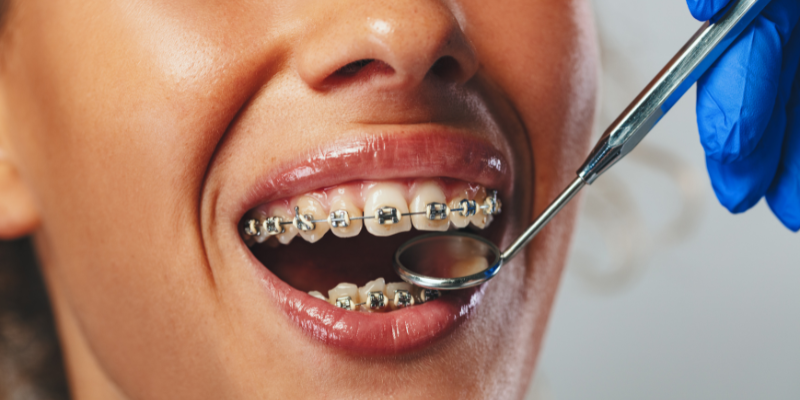
When it comes to achieving a straight, healthy smile, one of the most common questions patients ask an orthodontist is whether they should choose braces or Invisalign. Both treatments are highly effective at aligning teeth and correcting bite issues, but they work differently and come with unique benefits. Deciding between the two depends on your lifestyle, treatment goals, and the complexity of your case.
If you’ve been searching for an orthodontist near me, you’ve probably noticed that many practices offer both options. An experienced Issaquah orthodontist can evaluate your smile and recommend whether braces or Invisalign aligners are the best choice for your specific needs.
What Are Braces?
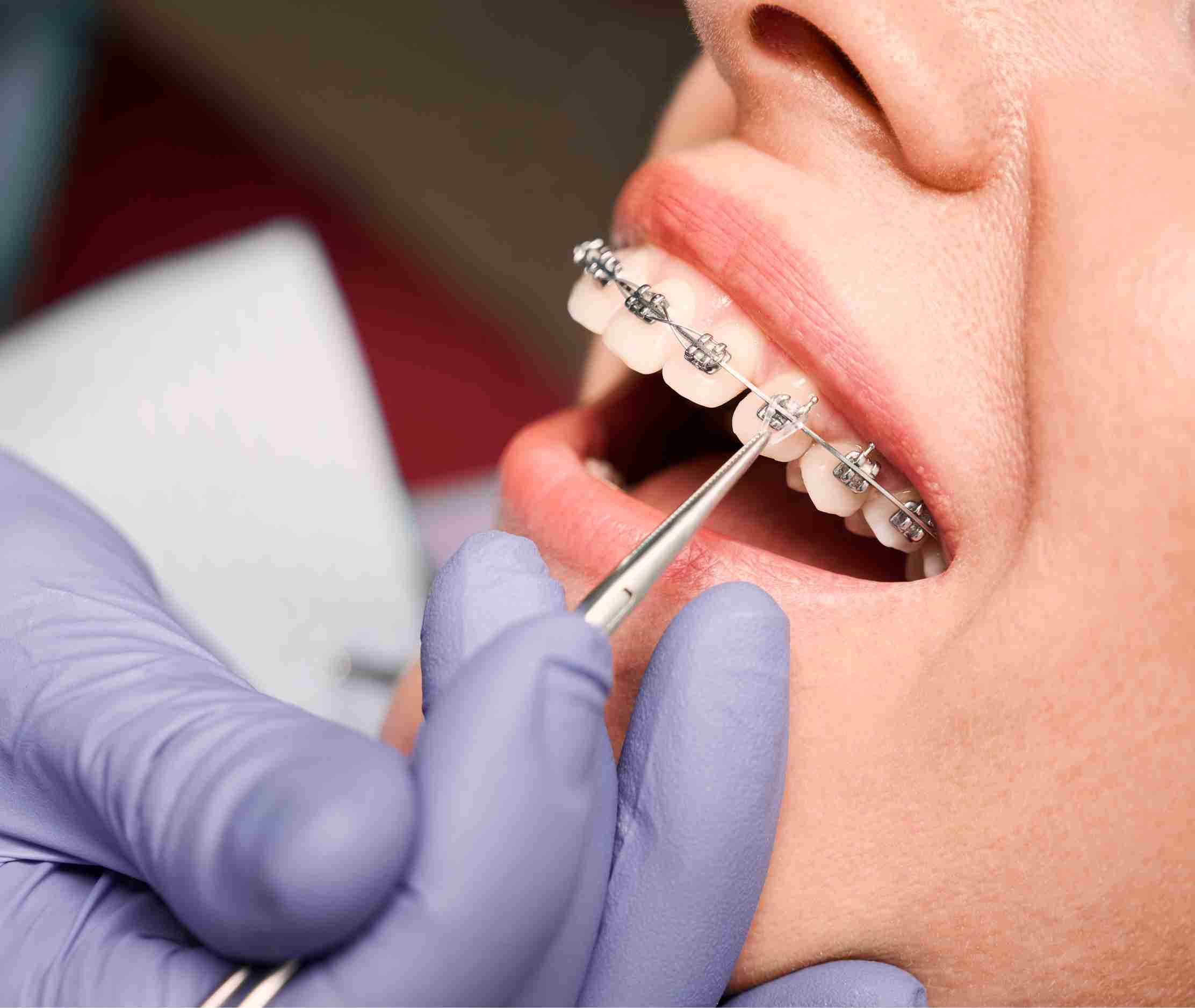
Traditional braces use metal or ceramic brackets and wires to gradually shift teeth into the correct position. They are highly effective for patients with complex cases, including severe misalignments, overcrowding, or bite issues. Braces remain fixed in place, so they are constantly working to move teeth, and treatment progress is consistent.
Braces also come in different styles. Modern braces are smaller and more comfortable than older versions, and ceramic braces blend more naturally with your teeth, making them less noticeable. Many younger patients even enjoy customizing their braces with colored bands, adding a fun element to treatment.
What Is Invisalign?
Invisalign uses a series of clear, removable aligners designed to gradually move teeth into alignment. Each set of aligners is worn for about one to two weeks before switching to the next set. Because they are nearly invisible, Invisalign aligners are a popular choice among adults and teens who want a discreet treatment option.
One of the biggest advantages of Invisalign is flexibility. The aligners can be removed for eating, brushing, and flossing, making oral hygiene much easier compared to braces. However, patient discipline is key—Invisalign must be worn 20–22 hours per day for best results.
Comparing Braces and Invisalign
- Appearance: Braces are more visible, while Invisalign offers a nearly invisible option.
- Comfort: Braces may cause irritation from brackets and wires, while Invisalign aligners are smooth and custom-fitted.
- Treatment Range: Braces are better suited for severe or complex cases. Invisalign works well for mild to moderate misalignments.
- Maintenance: Braces require extra care to clean around wires and brackets, while Invisalign allows for easier brushing and flossing.
- Lifestyle: Invisalign is removable, which offers more freedom but also requires responsibility to wear them consistently.
Both treatments are effective, but the right choice depends on your orthodontic needs and personal preferences.
Why See an Orthodontist for Braces or Invisalign
Whether you choose braces or Invisalign, it’s important to have treatment supervised by a certified orthodontist. While some online aligner services promise convenience, only an in-person orthodontist can ensure precise, safe results. If you’re searching for an orthodontist near me, look for one with experience in both braces and Invisalign so you can make an informed decision about your smile.
Final Thoughts
Braces and Invisalign both provide excellent results, but the best option for you will depend on your case and lifestyle. Braces are reliable for complex issues, while Invisalign offers a discreet, flexible solution for those who want a more subtle approach.
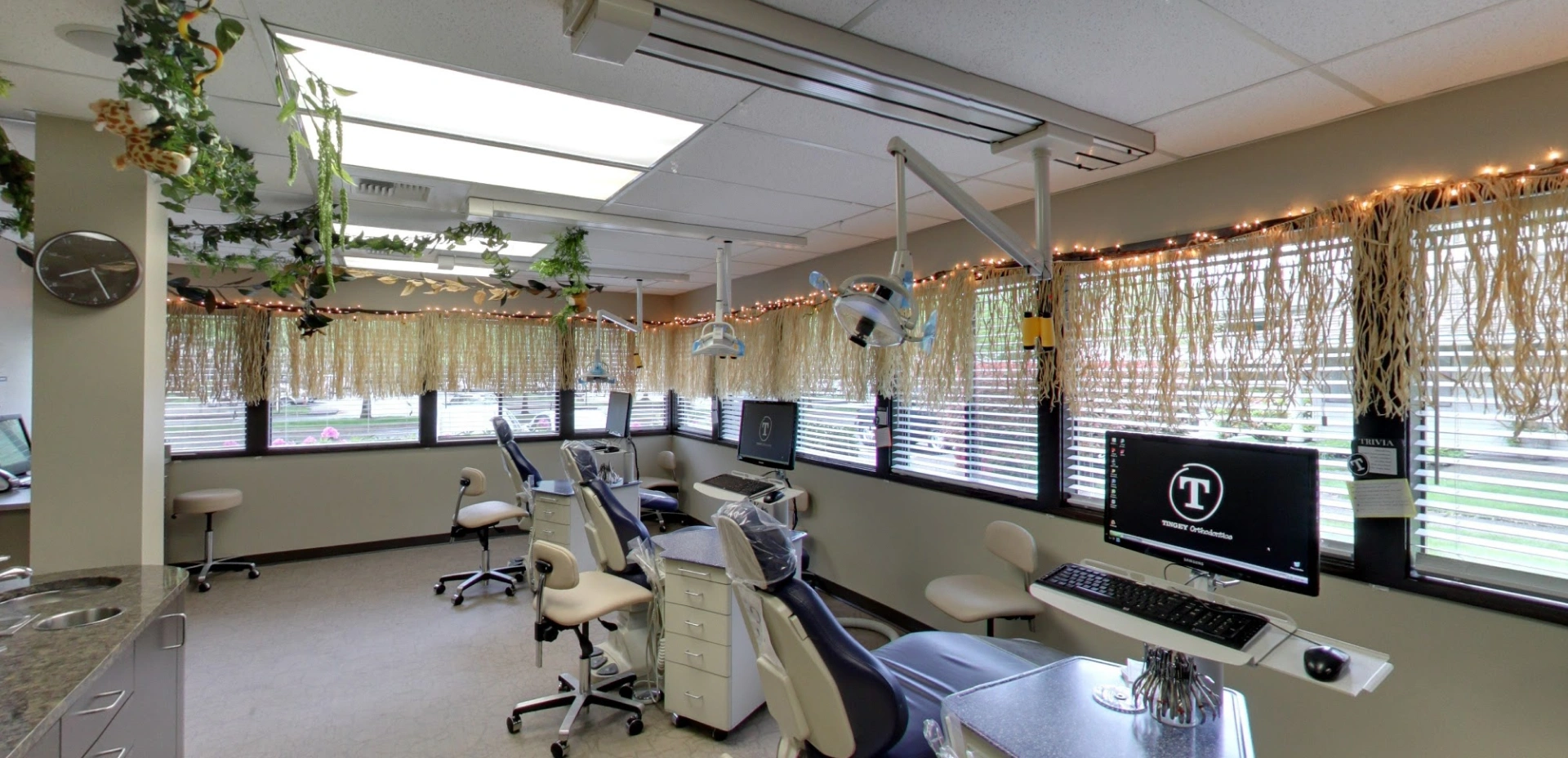
If you’re ready to explore which treatment is right for you, Tingey Orthodontics in Issaquah offers expert care in both braces and Invisalign. Their team will help you choose the best path to a healthy, confident smile. Don’t wait to book an appointment today and start your journey toward straighter teeth and improved confidence.