Pay your Bill
Why Early Orthodontic Treatment Matters for Growing Smiles


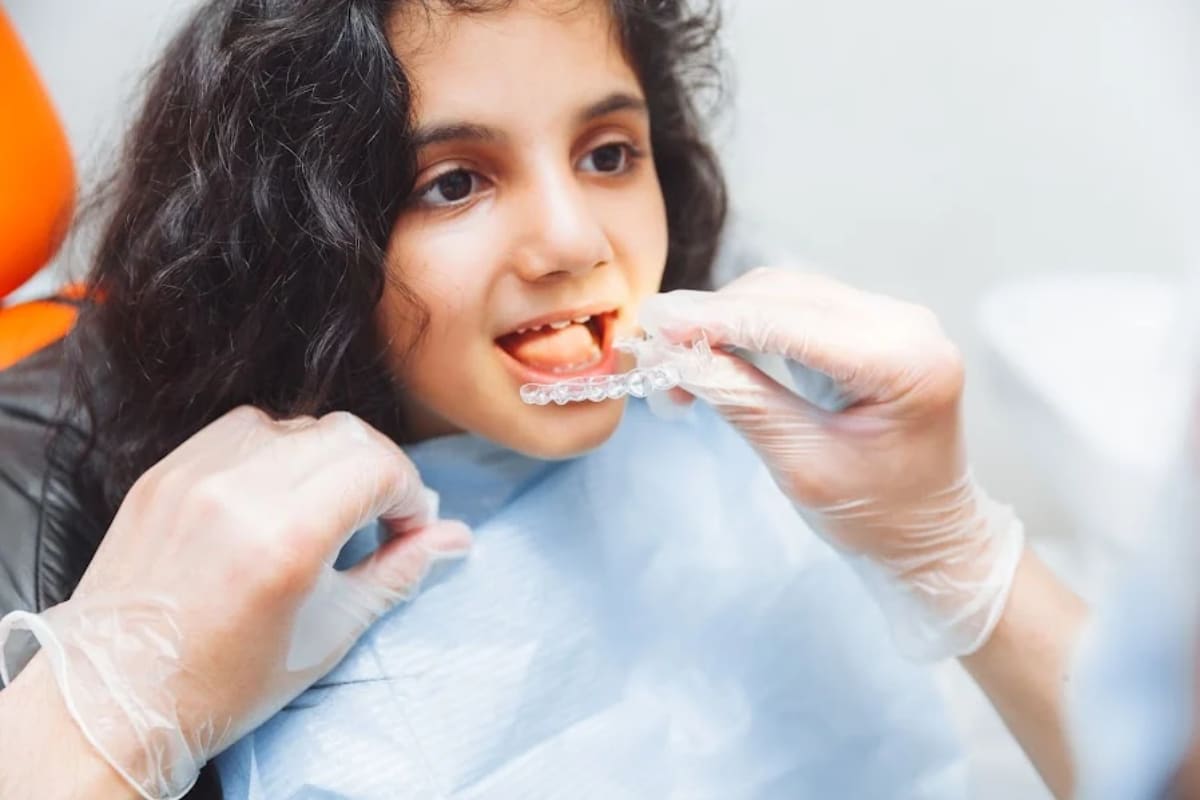
A child’s teeth and jaws undergo important changes throughout childhood. Some orthodontic concerns become easier to address while the jaw is still developing. Early orthodontic treatment helps identify and manage certain problems before permanent teeth finish erupting.
Parents often assume orthodontic care should begin during the teenage years. However, some children benefit from treatment during their younger years. Understanding early orthodontic treatment in Issaquah can help parents make informed decisions about their children’s developing smiles.
What Is Early Orthodontic Care?
Early orthodontic treatment, sometimes called Phase 1 treatment, begins while children still have a combination of baby and permanent teeth. Its primary purpose involves addressing specific developmental and bite concerns.
Unlike comprehensive orthodontic treatment, early intervention does not always focus on aligning every tooth. Instead, it may guide jaw development, manage available space, and correct selected bite problems.
Treatment recommendations depend on the child’s dental development and orthodontic condition. Some children need an appliance, while others benefit from periodic monitoring. Not every child requires early orthodontic intervention.
Why Does Early Treatment Matter?
Childhood provides an important period for evaluating developing teeth and jaw relationships. Certain orthodontic problems may become more complicated as growth progresses.
Early treatment may help address several concerns.
Guiding Jaw Development
Some children develop differences between their upper and lower jaw relationships. These differences can contribute to certain bite problems. Selected orthodontic appliances may help guide jaw development during growth.
Managing Dental Crowding
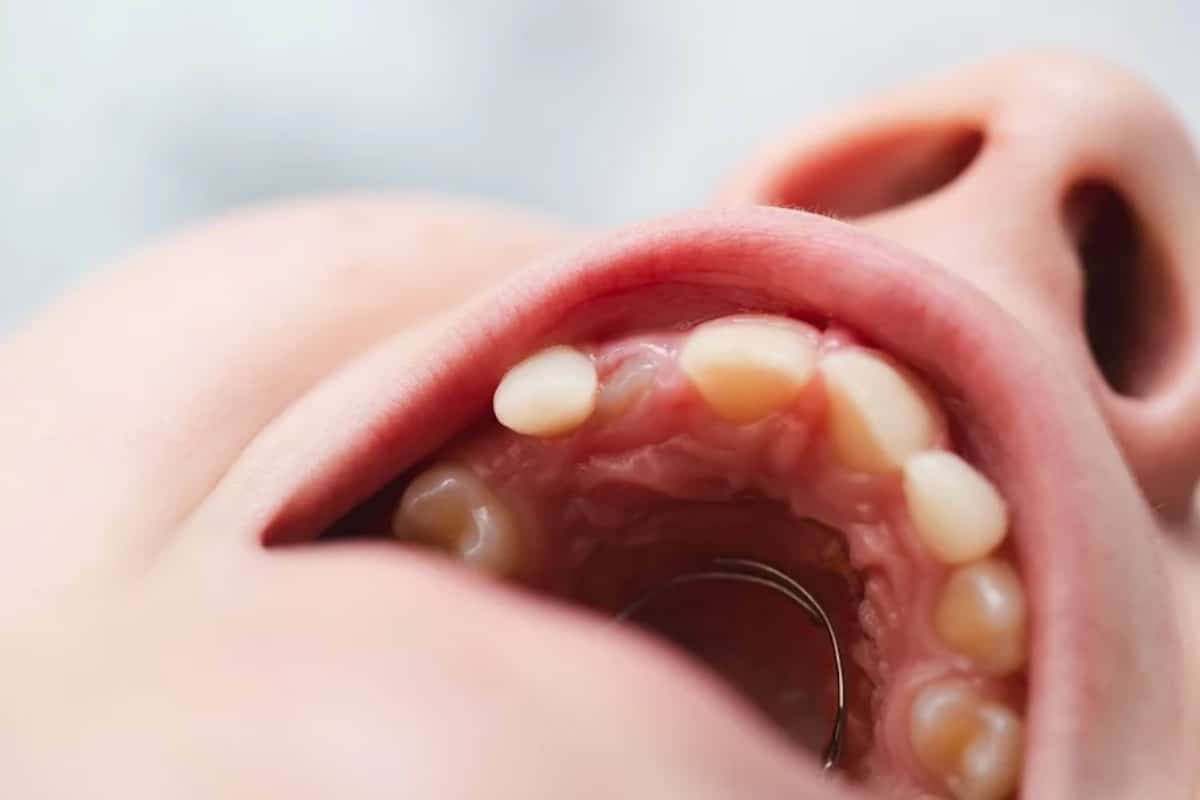
Crowding occurs when teeth lack sufficient room along the dental arch. Early orthodontic care may help manage space concerns in selected children. The orthodontist evaluates whether intervention can support future tooth eruption.
Correcting Certain Bite Problems
Developing overbites, underbites, and crossbites may require early evaluation. Some conditions benefit from treatment while the jaws are growing. The appropriate approach depends on whether the concern involves teeth, jaw structure, or both.
Addressing Harmful Oral Habits
Prolonged thumb sucking and similar habits can affect developing teeth. Certain habits may contribute to bite changes or altered tooth positioning. Early guidance can help address these concerns before they persist.
Supporting Permanent Tooth Eruption
Baby teeth help maintain space for incoming permanent teeth. Premature tooth loss can sometimes affect eruption patterns. Space-maintaining appliances may help preserve room when clinically necessary.
What Orthodontic Problems May Require Early Treatment?
Not every developing orthodontic concern needs immediate correction. However, certain conditions may benefit from an early assessment.
An orthodontist may recommend intervention for:
- Severe crowding affecting permanent tooth eruption.
- Anterior or posterior crossbites.
- Significant overbites or underbites.
- Narrow upper dental arches.
- Premature loss of baby teeth.
- Certain jaw growth discrepancies.
- Persistent oral habits affecting tooth development.
The treatment plan depends on the underlying cause. Some conditions require immediate attention, while others need observation until the child grows older.
What Treatment Options Are Available for Children?
Early orthodontic treatment may involve different appliances depending on the child’s needs. Each appliance addresses specific dental or developmental concerns.
Palatal Expanders
Palatal expanders gradually widen the upper jaw in appropriate growing patients. Orthodontists may recommend them for selected narrow-jaw concerns and posterior crossbites.
The appliance applies controlled pressure to encourage upper jaw expansion. Treatment timing depends on growth and the child’s individual orthodontic condition.
Space Maintainers
Space maintainers preserve room after premature baby tooth loss. They help prevent neighboring teeth from drifting into the empty space.
Different designs accommodate different missing-tooth situations. The orthodontist selects an appliance based on the child’s dental development.
Partial Braces
Some children need braces on selected teeth rather than the entire dental arch. Partial braces can address specific alignment concerns during early treatment.
The orthodontist determines which teeth require movement. Treatment may prepare the dental arches for later comprehensive orthodontic care.
Other Orthodontic Appliances
Certain children may need additional appliances to address specific bite relationships. These can include devices designed to influence jaw positioning or tooth movement.
The orthodontist evaluates the child’s condition before selecting an appliance. Treatment should always address an identified clinical need.
What Should Parents Expect During Early Orthodontic Care?
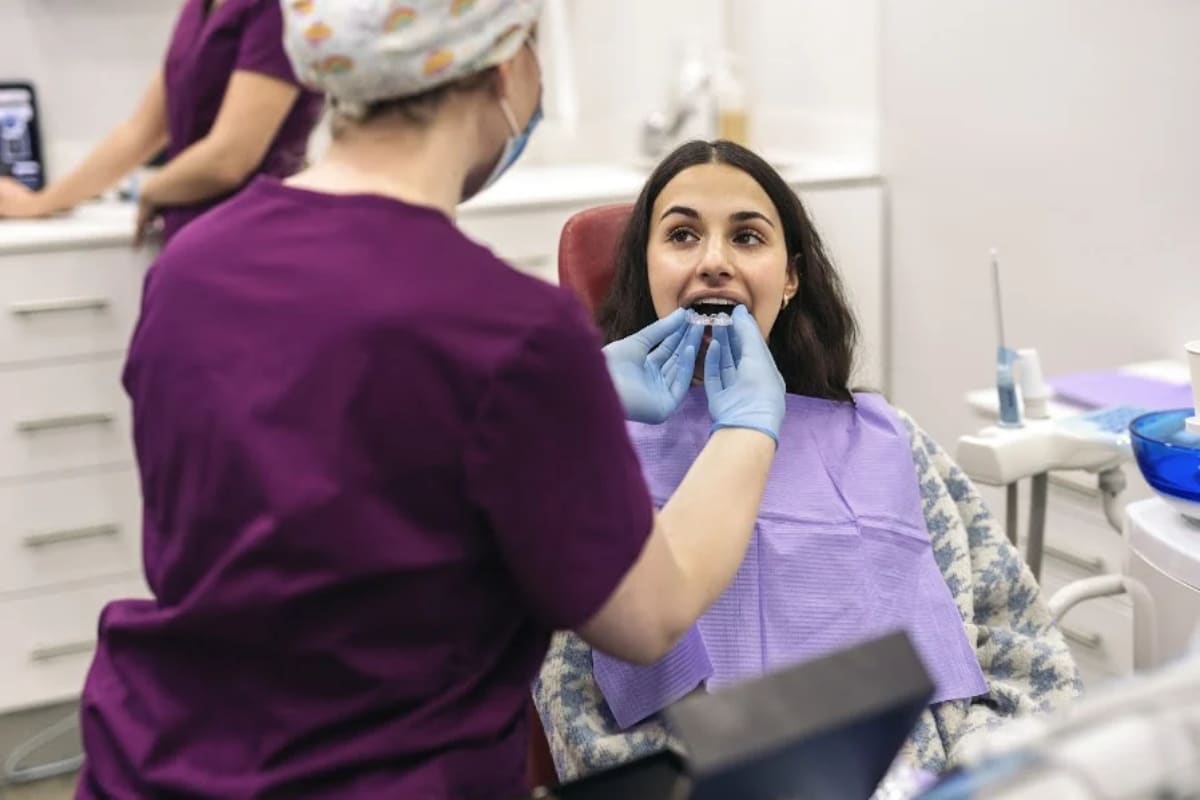
Early treatment begins with a comprehensive orthodontic evaluation. The orthodontist examines the child’s teeth, bite, jaw development, and dental eruption patterns.
Diagnostic records may include photographs, digital scans, and X-rays when needed. These records help identify concerns and support treatment planning.
Parents also receive instructions about appliance care and follow-up visits. Children may need time to adjust to speaking and eating with an appliance. Regular monitoring helps the orthodontist assess development and treatment progress.
How Can Parents Support Their Child’s Orthodontic Treatment?
Parental involvement helps children maintain healthy habits throughout treatment. Simple daily routines can support appliance care and oral hygiene.
Parents should encourage children to:
- Brush carefully after meals.
- Follow instructions for removable appliances.
- Avoid foods that may damage fixed appliances.
- Maintain regular dental cleanings.
- Attend scheduled orthodontic appointments.
- Report appliance damage or unusual discomfort.
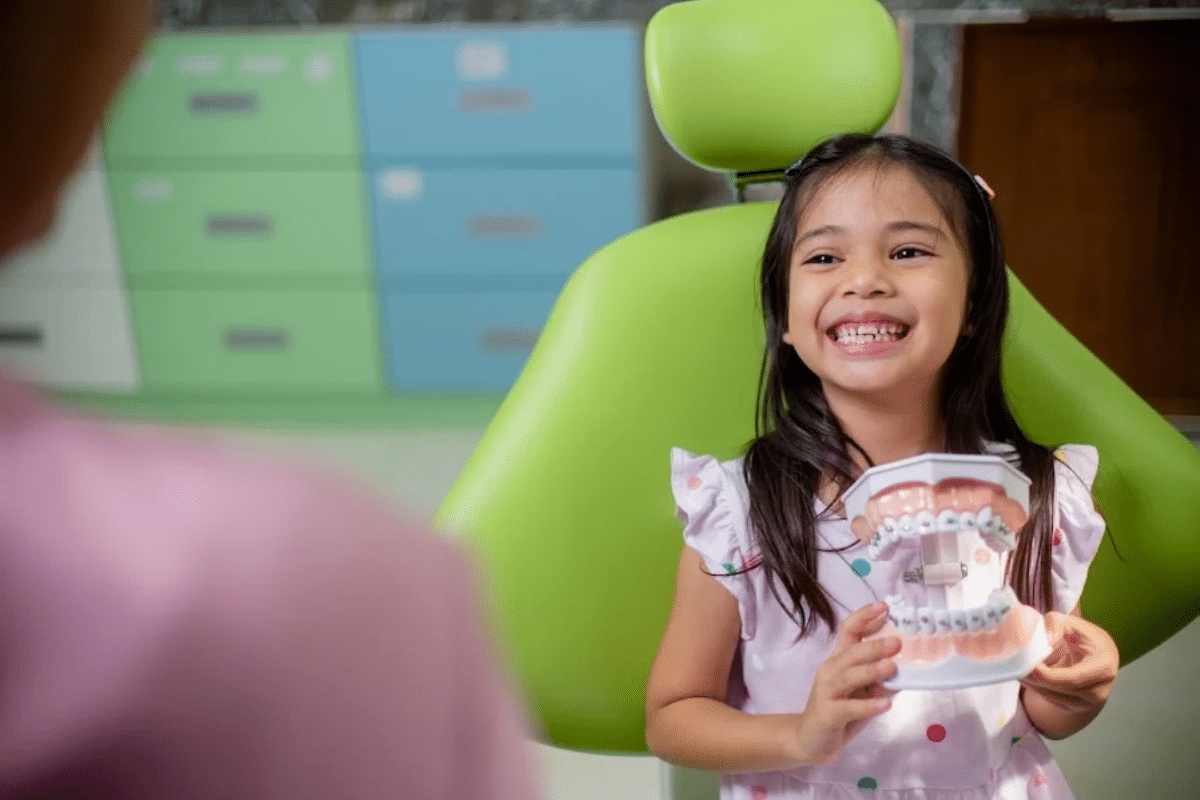
Positive encouragement can also make orthodontic treatment less intimidating. Explain each step in simple language and allow children to ask questions.
Early Orthodontic Treatment at Tingey Orthodontics in Issaquah
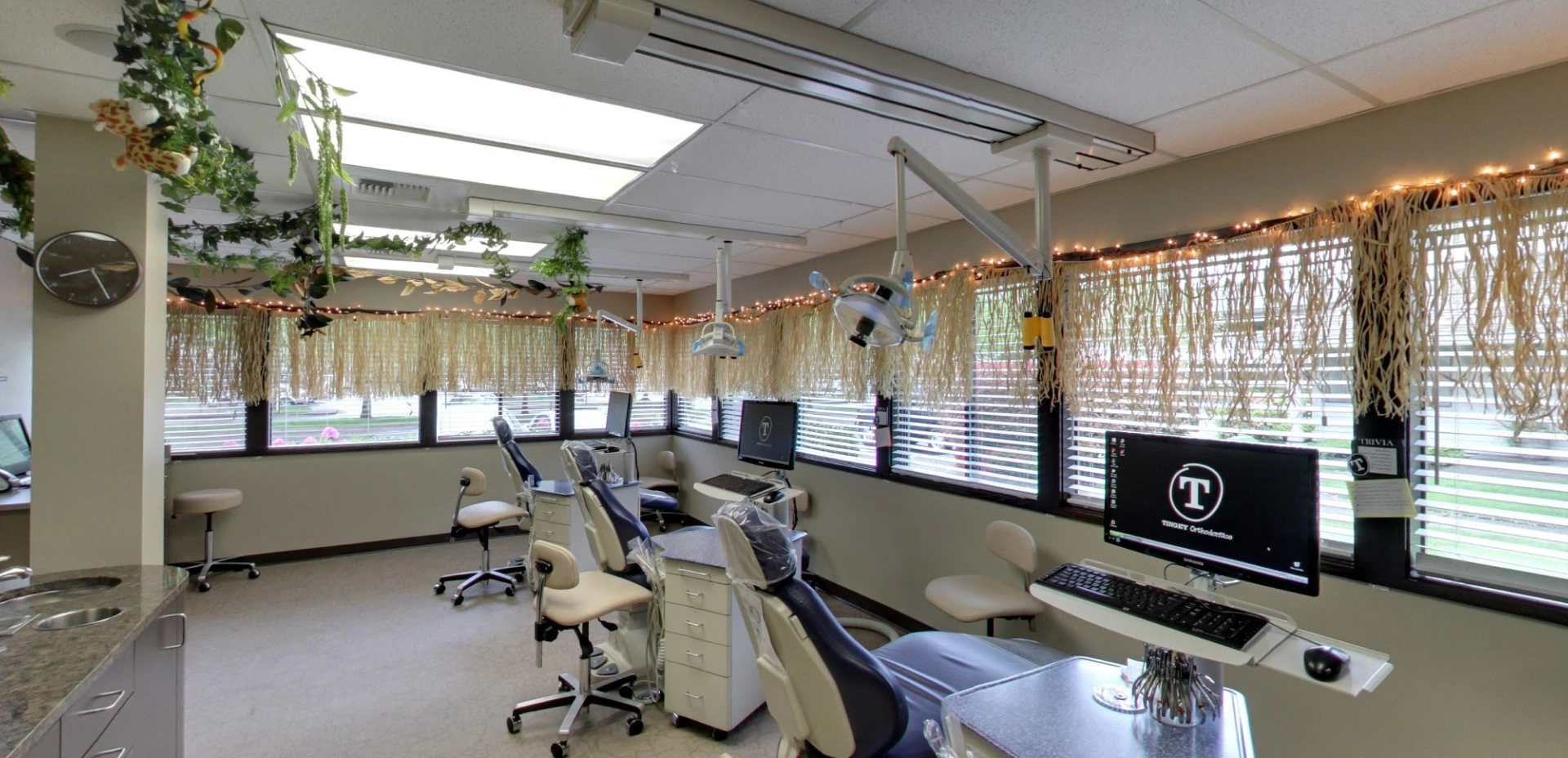
Early evaluation can provide valuable information about a child’s dental development. Tingey Orthodontics offers orthodontic care for children, teenagers, and adults in Issaquah.
Dr. MacKay Tingey focuses on early orthodontic treatment and evaluates each child’s individual needs. The team uses clinical examinations and appropriate diagnostic records to guide treatment recommendations.
Families from Issaquah, Sammamish, and nearby Eastside communities can schedule a consultation. The orthodontic team can explain whether early intervention, monitoring, or later treatment makes sense. Give your child’s developing smile the attention it deserves. Schedule an early orthodontic consultation today.
Frequently Asked Questions
1. What is the ideal age for early orthodontic care?
The American Association of Orthodontists recommends an initial orthodontic evaluation around age seven. However, treatment does not necessarily begin at this age. The orthodontist determines the appropriate timing based on dental development.
2. Does every child need Phase 1 orthodontic treatment?
No, many children do not require early orthodontic intervention. Some benefit from monitoring until more permanent teeth erupt. Treatment depends on the child’s bite, jaw development, and individual orthodontic concerns.
3. Does early orthodontic treatment eliminate the need for braces later?
Not always. Some children need comprehensive braces treatment after their permanent teeth erupt. Early intervention addresses specific developmental concerns rather than guaranteeing that future treatment becomes unnecessary.
4. How long does early orthodontic therapy take?
Treatment duration depends on the appliance and orthodontic problem being addressed. Some children need several months, while others require longer monitoring. The orthodontist provides an estimated timeline after evaluation.