Pay your Bill
Can a Palatal Expander Change Your Child’s Smile Before Braces?


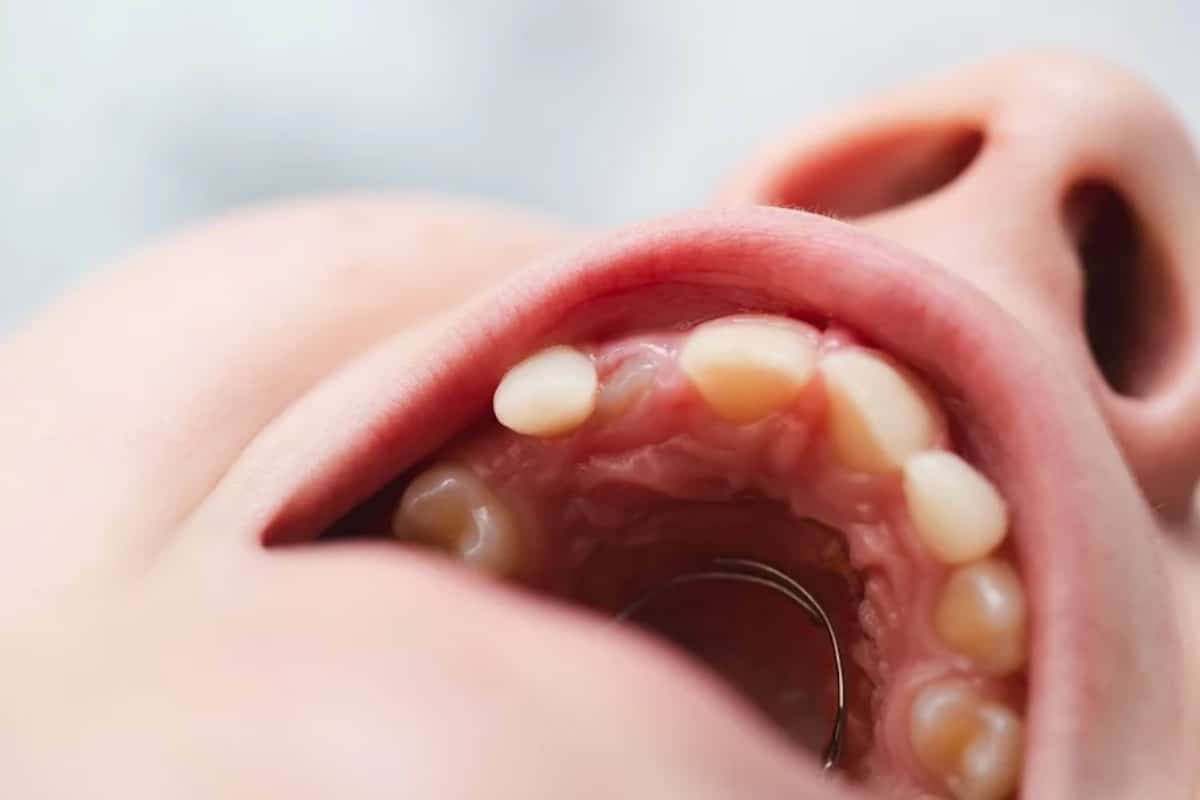
Parents often notice crowded teeth when their child’s permanent teeth begin appearing. However, the problem may involve more than limited space along the dental arch. Sometimes, the upper jaw needs additional development to support proper tooth alignment.
A palatal expander can help address certain jaw-width concerns during childhood. This orthodontic appliance gradually widens the upper jaw while a child is still growing. For families in Issaquah, understanding early orthodontic options can help them make informed decisions about their children’s dental development.
What Is a Palatal Expander and How Does It Work?
This expander is an orthodontic appliance that gradually widens the upper jaw. Orthodontists may recommend it when the upper jaw is too narrow for proper dental alignment.
The appliance usually attaches to the upper back teeth. Some designs include a small adjustment mechanism that applies gentle pressure over time. This pressure encourages the two halves of the upper jaw to move apart.
The upper jaw contains a growth area called the midpalatal suture. During childhood, this area remains more responsive to orthopedic expansion. An orthodontist can evaluate whether expansion may help address a developing jaw-width concern.
Treatment does not involve simply pushing individual teeth outward. Instead, the goal is to influence upper jaw development when appropriate. The exact approach depends on the child’s growth, bite, and orthodontic needs.
Signs Your Child May Need a Palatal Expander
A narrow upper jaw does not always create obvious symptoms. However, certain dental and bite patterns may indicate a need for evaluation.
Parents should watch for the following signs:
- Crowded upper teeth: Permanent teeth may struggle to find enough room.
- Posterior crossbite: Upper back teeth may bite inside the lower back teeth.
- Narrow dental arch: The upper arch may appear unusually narrow.
- Uneven bite: Upper and lower teeth may not meet correctly.
- Difficulty chewing: Certain bite problems can affect comfortable chewing.
- Dental spacing concerns: Limited jaw width may contribute to irregular tooth positioning.
These signs do not automatically mean a child needs an expander. An orthodontic examination helps identify the underlying concern.
Why Early Expansion Can Matter
Childhood provides an important window for evaluating jaw growth. An orthodontist can identify certain developmental concerns before facial growth finishes.
Our expander may create additional room for developing permanent teeth. It can also help correct selected crossbite problems. In some cases, expansion may support a more balanced relationship between the upper and lower dental arches.
Early treatment does not eliminate the need for braces in every child. Some children still require comprehensive orthodontic treatment later. However, addressing specific problems early may simplify certain aspects of future care.
Timing matters because jaw growth changes throughout childhood. An orthodontist evaluates dental development before recommending expansion. Not every child benefits from early appliance treatment.
What Happens During Palatal Expander Treatment?
Understanding this orthodontic treatment in Issaquah can help parents prepare their children. Each stage focuses on proper appliance placement, adjustment, and progress monitoring.
1. Initial Orthodontic Evaluation
The orthodontist examines the child’s teeth, jaw structure, and bite. Digital records or X-rays may help evaluate the developing dental structures.
2. Appliance Placement
The orthodontic team fits the expander according to the child’s treatment needs. Parents and children receive instructions about appliance care and any required adjustments.
3. Gradual Expansion
The expander applies controlled pressure according to the prescribed schedule. Children may notice temporary pressure around their teeth or upper jaw.
4. Progress Monitoring
Regular appointments allow the orthodontist to assess expansion and tissue response. Once the desired correction occurs, the appliance may remain in place during stabilization.
5. Follow-Up Treatment
Some children need braces or additional appliances after expansion. The orthodontist determines the next step based on dental development.
What Should Children Expect During Treatment?
Children usually need a short adjustment period after receiving an expander. Speech may sound slightly different until the tongue adapts. Eating certain foods may also require extra care initially.
Parents can make this transition easier through simple daily habits:
- Serve softer foods during the initial adjustment period.
- Encourage careful brushing around the appliance.
- Avoid sticky and hard foods that may damage components.
- Follow the orthodontist’s exact adjustment instructions.
- Report unusual pain, swelling, or appliance problems promptly.
A small gap may develop between the upper front teeth during active expansion. This can be an expected part of treatment. The orthodontist monitors the change and explains what happens next.
Choosing Early Orthodontic Care in Issaquah
Children do not need to wait until every permanent tooth appears before seeing an orthodontist. An early evaluation can identify jaw development concerns and guide treatment timing.
Tingey Orthodontics provides orthodontic care for children, teenagers, and adults in Issaquah. Dr. MacKay Tingey evaluates developing smiles and recommends appliances when clinically appropriate.
Families from Issaquah and nearby Eastside communities can schedule an orthodontic consultation. The team can assess your child’s bite and explain whether expansion may help.
Frequently Asked Questions
1. At what age can a child receive a palatal expander?
The appropriate age depends on dental development and jaw growth. Many children receive expansion during their growing years. An orthodontist evaluates individual needs before recommending treatment.
2. Does a palatal expander hurt?
Children may experience temporary pressure or mild soreness after adjustments. Speech and eating can also feel different initially. Significant or persistent pain should be discussed with the orthodontist.
3. Will my child still need braces after using an expander?
Some children need braces after expansion to align their teeth. Others may require monitoring or additional appliances. The next treatment stage depends on the child’s bite and dental development.
4. How long does palatal expander treatment take?
Treatment duration varies according to the required correction and individual growth. Active expansion is followed by a stabilization period. The orthodontist explains the expected timeline during the consultation.
Give your child’s growing smile the attention it deserves. Schedule an orthodontic consultation with Tingey Orthodontics in Issaquah.