Pay your Bill
Can Clear Aligners Replace Braces in Complex Orthodontic Cases?


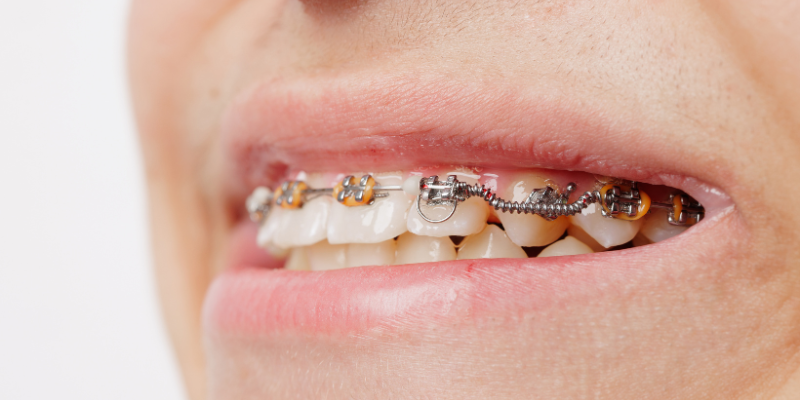
For many people considering orthodontic treatment, one of the first questions that comes up is simple: can clear aligners really handle complicated orthodontic problems, or are braces still the only option?
Clear aligners have become incredibly popular in recent years. Their nearly invisible appearance and removable design make them appealing for teens, working professionals, and adults who want a more discreet way to straighten teeth. But when the problem involves severe crowding, bite misalignment, or significant tooth movement, patients often wonder if aligners are powerful enough to do the job.
The answer isn’t always black and white. Modern orthodontics has advanced rapidly, and clear aligner technology has improved dramatically. With careful planning and professional supervision, many complex orthodontic cases can now be treated successfully with aligners.
For patients seeking expert guidance, consulting an experienced Orthodontist in Issaquah can help determine whether clear aligners are the right option for their specific dental concerns.
Understanding Complex Orthodontic Cases
Before deciding between braces and aligners, it’s important to understand what qualifies as a complex orthodontic case.
Some examples include:
- Severe crowding or spacing between teeth
- Overbites, underbites, or crossbites
- Rotated or impacted teeth
- Jaw alignment problems
- Teeth that require significant vertical movement
In the past, many of these cases required traditional braces because they provided more control over tooth movement. However, advancements in aligner design, digital treatment planning, and orthodontic attachments have expanded what aligners can accomplish.
Today, experienced specialists including many Issaquah Orthodontist professionals can treat a wider range of cases using clear aligner systems.
How Clear Aligners Work
Clear aligners use a series of custom-made trays designed to gradually shift teeth into better positions. Each aligner is worn for a set period before moving to the next one in the series.
The treatment process usually includes:
- Digital 3D scanning of teeth
- Customized treatment planning
- A series of precision-designed aligners
- Regular orthodontic monitoring
Small attachments may be placed on certain teeth to help the aligners grip and move them more effectively. These attachments allow orthodontists to guide complex tooth movements with greater precision.
When planned correctly, aligners can perform many of the same movements traditionally done with braces.
When Clear Aligners Can Successfully Treat Complex Cases
Clear aligners are often capable of addressing complex orthodontic issues when the treatment plan is carefully designed.
Situations where aligners may work well include:
Moderate to Severe Crowding
With the help of attachments and gradual tooth movement, aligners can often create enough space to correct crowded teeth.
Bite Correction
Modern aligner systems can improve certain bite issues such as:
- Overbite
- Crossbite
- Mild to moderate underbite
Tooth Rotation
Rotated teeth can sometimes be corrected with aligners when the movement is carefully staged.
Post-Braces Relapse
If teeth have shifted after previous orthodontic treatment, aligners can often bring them back into alignment.
Patients in the area frequently consult an Orthodontist in Issaquah to determine whether aligners can achieve these results for their specific case.
When Braces May Still Be the Better Option
Although aligners are powerful tools, traditional braces may still be recommended for certain highly complex situations.
Examples include:
- Severe jaw misalignment
- Impacted teeth that require surgical exposure
- Large vertical tooth movements
- Extreme bite corrections
Braces provide continuous force and allow orthodontists to make very detailed adjustments throughout treatment.
That’s why an in-person evaluation with an Issaquah Orthodontist is so important. Every smile is unique, and the best treatment option depends on individual needs.
Benefits of Choosing Clear Aligners
When aligners are appropriate for a case, they offer several advantages.
Nearly Invisible Appearance
Aligners are clear and discreet, making them popular among adults and teens who prefer a subtle orthodontic solution.
Removable Convenience
Unlike braces, aligners can be removed when eating, brushing, or flossing.
Improved Oral Hygiene
Because the trays are removable, it’s easier to maintain healthy teeth and gums during treatment.
Comfortable Fit
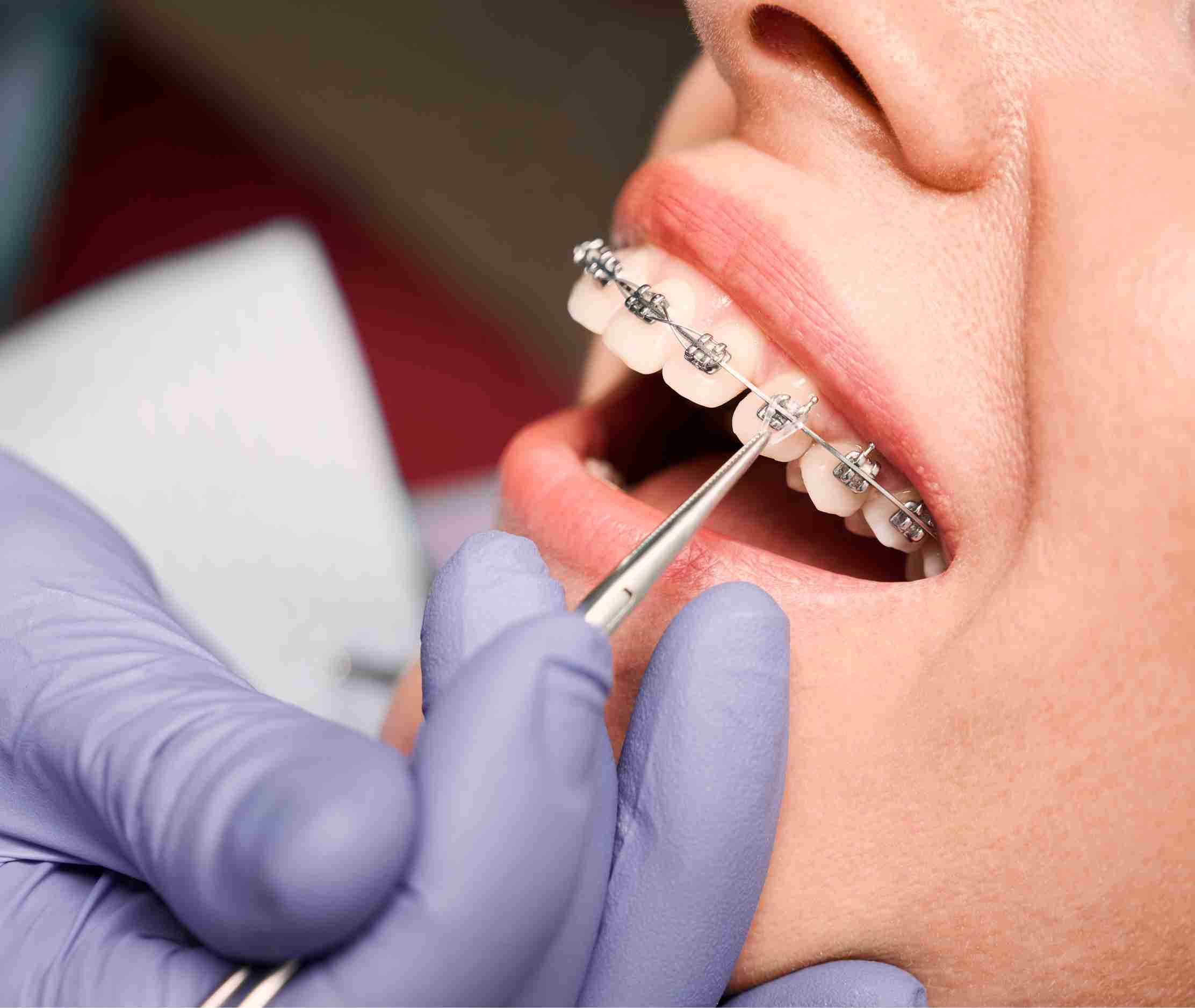
Aligners are smooth and custom-made, reducing irritation that can sometimes occur with brackets and wires.
For many patients visiting an Orthodontist in Issaquah, these benefits make aligners an attractive alternative to traditional braces.
Factors That Influence Treatment Success
Clear aligners can be highly effective, but success depends on several factors.
Patient Compliance
Aligners must typically be worn 20–22 hours per day to achieve the desired results.
Treatment Planning
Accurate digital planning and orthodontic expertise are essential for complex cases.
Monitoring and Adjustments
Regular checkups ensure teeth are moving as expected.
Case Complexity
Some cases require hybrid approaches, combining aligners with other orthodontic techniques.
Working with an experienced Orthodontist in Issaquah helps ensure the treatment plan is tailored for the best possible outcome.
Orthodontic Care in the Issaquah Community
Issaquah is known for its active lifestyle and family-friendly environment. From hiking at Tiger Mountain to spending weekends at Lake Sammamish State Park, residents value both health and confidence in their smiles.
Many local families seek orthodontic treatment not only for cosmetic reasons but also to improve oral health and long-term dental stability. Modern orthodontic technology has made it easier than ever for busy professionals, students, and parents to pursue treatment without disrupting their daily routines.
Clear aligners often fit well with the schedules of people balancing work, school activities, and outdoor recreation that make Issaquah such a vibrant place to live.
Tips for Deciding Between Aligners and Braces
If you’re unsure which option is right for you, consider these tips:
- Schedule a professional orthodontic evaluation
- Ask about treatment timelines for both options
- Consider lifestyle factors such as work or school activities
- Discuss the level of case complexity with your orthodontist
- Review digital treatment simulations if available
A personalized consultation will provide the clearest answer for your specific orthodontic needs.
Take the First Step Toward a Confident Smile
Clear aligners have transformed modern orthodontics, making it possible to treat many cases that once required braces. However, the best treatment option always depends on careful diagnosis and expert planning.
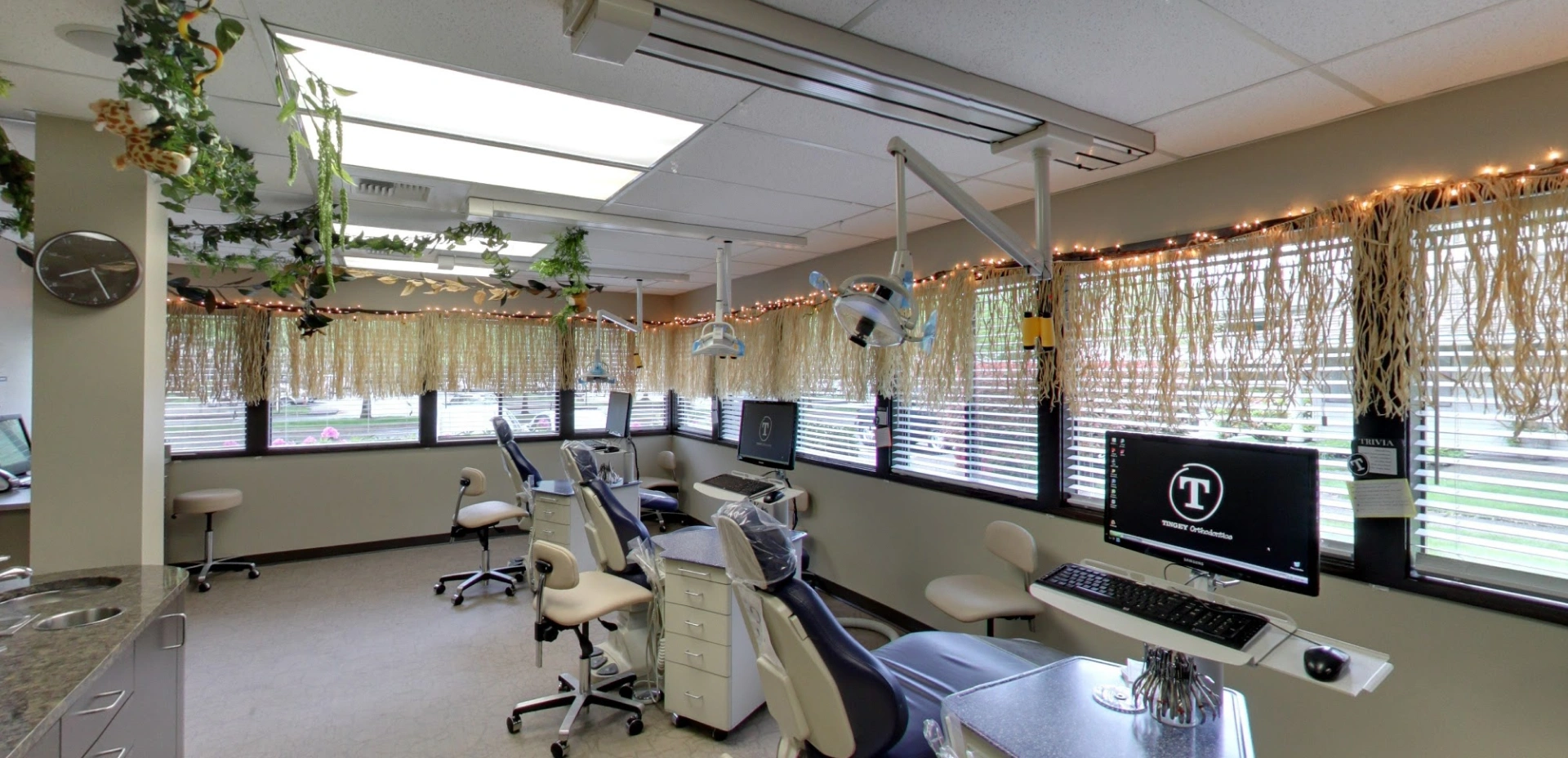
If you’re curious whether aligners could work for your situation, the team at Tingey Orthodontics is here to help. With advanced technology and personalized care, they guide patients through every step of the orthodontic journey.
Schedule a consultation today and discover how the right treatment plan can help you achieve a healthier, more confident smile.
FAQs
Are Clear Aligners Slower Than Braces For Complex Cases?
Not necessarily. With proper planning and compliance, treatment timelines can be similar depending on the complexity of the case.
Do Aligners Hurt More Than Braces?
Most patients report mild pressure when switching to a new aligner tray, but the discomfort is typically temporary and manageable.
Can Teens With Complex Orthodontic Problems Use Aligners?
Yes, in many cases teens can successfully use aligners, especially when they follow the recommended wear schedule.
Will I Need Attachments For Aligner Treatment?
Many complex cases require small tooth-colored attachments to help guide tooth movement effectively.
How Do I Know If My Case Qualifies For Aligners?
The best way to know is through a professional evaluation and digital treatment assessment.