Pay your Bill
Can Crowded Teeth Get Worse Over Time Without Treatment?


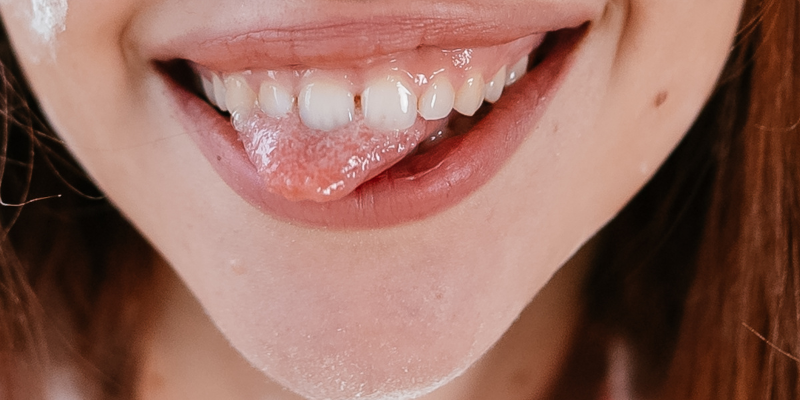
If your teeth feel a little tight or overlapping, it’s easy to ignore, especially if your smile still looks “okay” in photos. But crowded teeth are rarely static. In many cases, they gradually shift, overlap more, and become harder to manage over time. The real question isn’t if things can change, it’s how fast and how much.
In growing families and busy households, dental care can take a back seat until something becomes uncomfortable. That’s where early guidance matters. Many patients who search for an orthodontist near me in Issaquah are surprised to learn that crowding doesn’t just affect appearance, it can impact oral health, comfort, and even long-term costs if left untreated. Understanding the progression is the first step toward protecting your smile.
Why Do Teeth Become Crowded in the First Place?
Crowding usually happens when there isn’t enough space in your jaw for all your teeth to align properly. This can be influenced by:
- Genetics (jaw size vs. tooth size)
- Early loss of baby teeth
- Thumb-sucking or prolonged pacifier use
- Natural shifting with age
Even if crowding starts out mild, it doesn’t always stay that way.
Does Crowding Actually Get Worse Over Time?
Short answer: Yes, it often does.
Here’s why:
1. Natural Shifting Never Stops
Teeth are not fixed in place forever. As you age, subtle forces like chewing, talking, and even sleeping can cause gradual movement.
2. Lack of Space Creates Pressure
When teeth are already tight, any small shift can push neighboring teeth further out of alignment, increasing overlap.
3. Wisdom Teeth Can Contribute
While not always the main cause, erupting wisdom teeth can add pressure in the back of the mouth, worsening crowding in some cases.
4. Bone Changes Over Time
Jawbones can slightly shrink or change shape with age, reducing space and making crowding more noticeable.
What Happens If You Ignore Crowded Teeth?
Crowding isn’t just a cosmetic issue. Left untreated, it can lead to:
- Difficulty cleaning teeth properly → higher risk of cavities
- Gum inflammation and periodontal problems
- Uneven tooth wear due to improper bite
- Jaw discomfort or tension
- Increased treatment complexity later
Many adults who delayed care often end up needing longer or more involved treatment compared to addressing the issue earlier with an experienced orthodontist.
Signs Your Crowding Is Getting Worse
Not sure if your teeth are shifting? Watch for these subtle changes:
- Teeth that looked straight before now appear slightly rotated
- Flossing becomes harder or uncomfortable
- Gums bleed more easily in tight areas
- Bite feels different when chewing
- Retainers (if you had them) no longer fit properly
These small signals often point to gradual progression.
Is It Ever “Too Late” to Fix Crowded Teeth?
Absolutely not.
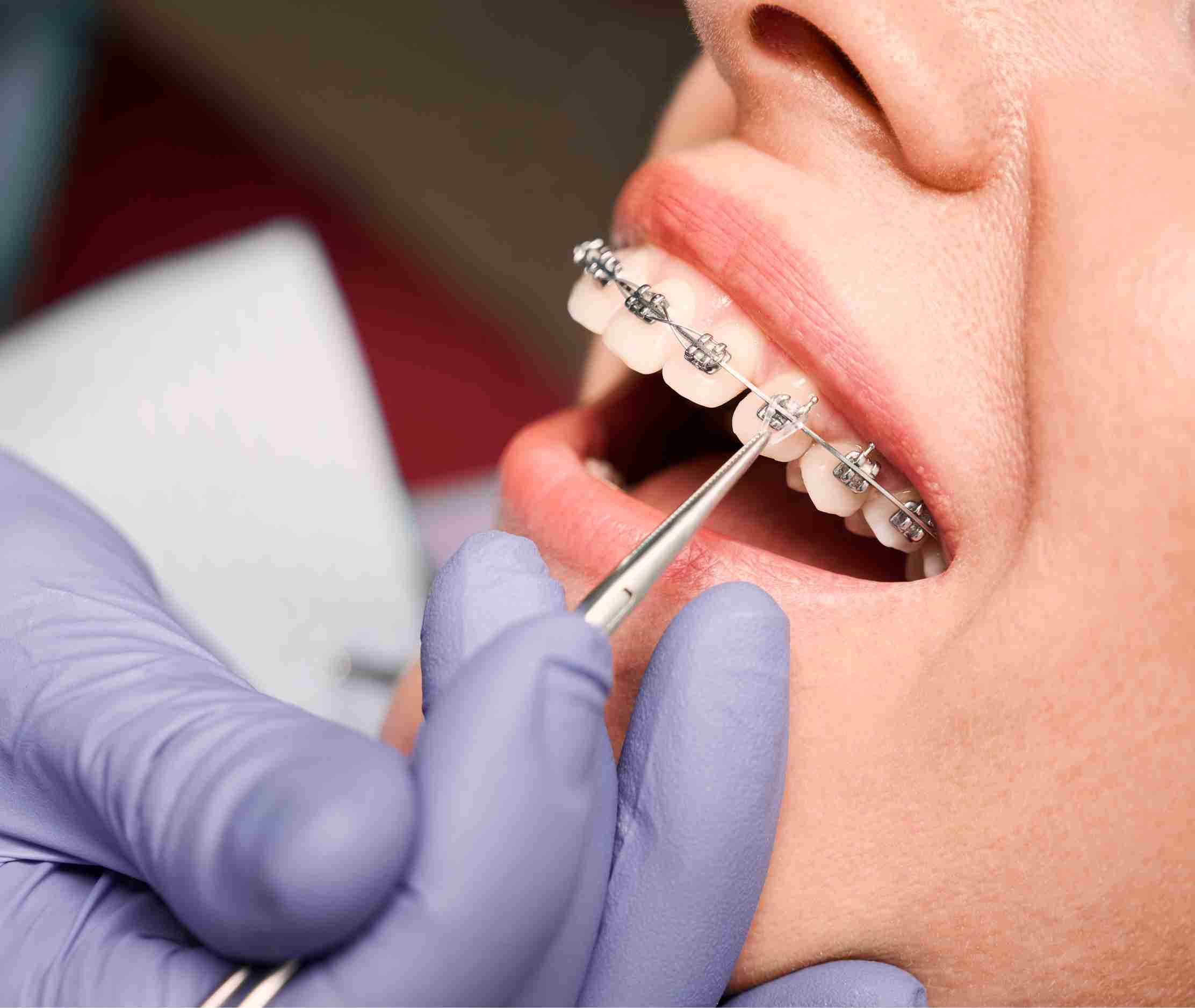
Orthodontic treatment today is more flexible and discreet than ever. Adults, teens, and even children can benefit from personalized solutions. Whether it’s clear aligners or modern braces, treatment options are designed to fit different lifestyles.
If you’ve been putting it off, visiting an orthodontist near me in Issaquah can give you clarity on what’s happening and what your options are often sooner and simpler than expected.
How Treatment Prevents Future Problems
Addressing crowding early doesn’t just straighten teeth, it helps prevent bigger issues down the road.
Benefits of early or timely treatment:
- Easier oral hygiene and healthier gums
- Improved bite alignment
- Reduced risk of tooth damage
- Better long-term stability
Think of it as a proactive step rather than a reactive fix.
Local Insight: Why This Matters for Families
In growing communities like Issaquah, many families juggle school, sports, and busy schedules. It’s common for dental concerns to go unnoticed until they become more obvious.
Parents often assume mild crowding in kids will “fix itself,” but early evaluation can make a big difference. Similarly, adults balancing work and family life may delay treatment only to find the issue becomes more noticeable over time.
Having access to a trusted c makes it easier to stay ahead of these changes with routine evaluations and personalized care.
Simple Tips to Manage Crowding Early
While professional care is key, here are a few things you can do:
- Keep up with regular dental checkups
- Wear retainers as prescribed (if applicable)
- Monitor any visible changes in alignment
- Maintain excellent oral hygiene in tight areas
These habits won’t reverse crowding but they can help you stay aware and prevent complications.
When Should You See a Specialist?
You don’t need severe symptoms to seek advice. Consider scheduling a consultation if:
- You notice gradual shifting
- Cleaning between teeth feels harder
- You’re unhappy with how your teeth look
- You had braces before but teeth are moving again
An experienced orthodontist can evaluate your bite, spacing, and long-term risks often in a quick, stress-free visit.
Take the Next Step Toward a Healthier Smile
Crowded teeth don’t usually stay the same, they evolve. The sooner you understand what’s happening, the more options you have to address it comfortably and effectively.
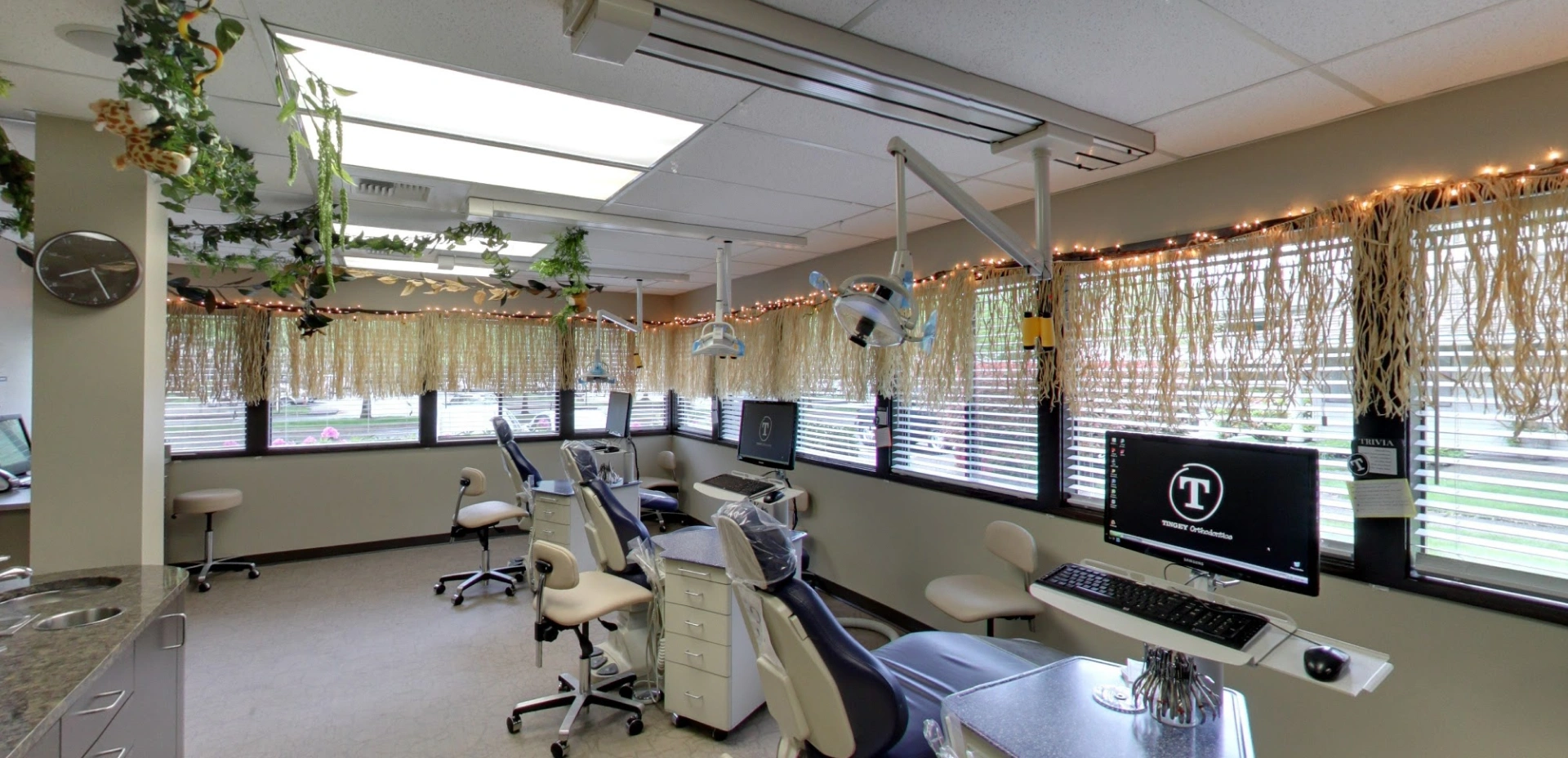
If you’ve been noticing changes or simply want peace of mind, the team at Tingey Orthodontics is here to help. Schedule your consultation today and take a confident step toward a healthier, straighter smile.
FAQs
Can Crowded Teeth Fix Themselves Naturally?
No, crowding typically does not resolve on its own and often worsens over time.
How Fast Do Teeth Shift?
It varies, but changes can happen gradually over months or years, sometimes without noticeable symptoms at first.
Is Crowding Only A Cosmetic Issue?
Not at all. It can affect oral hygiene, gum health, and bite function.
Do I Need Braces For Mild Crowding?
Not always. Clear aligners and other options may be suitable depending on your case.
Can Adults Still Correct Crowded Teeth?
Yes, orthodontic treatment is effective at any age.