Pay your Bill
Signs Your Child May Need an Orthodontist Earlier Than You Think


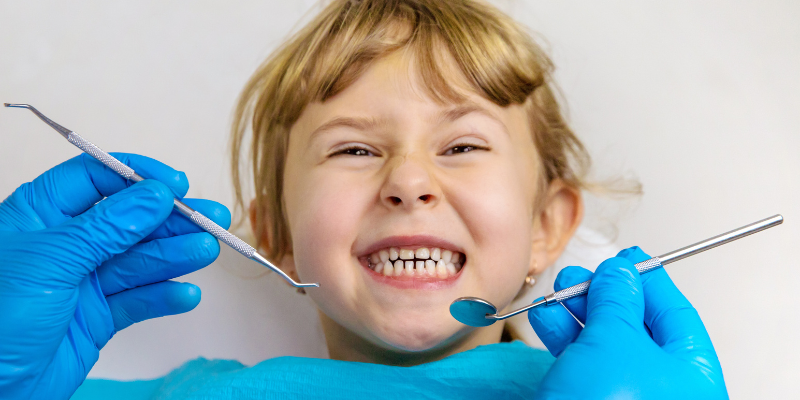
Many parents assume orthodontic treatment begins in the teenage years. While braces and Invisalign are common for teens, some orthodontic issues can appear much earlier than expected. In fact, recognizing the signs early may help prevent more complex dental problems later in life.
Children in growing communities like Issaquah often stay active with school sports, outdoor activities, and busy family schedules. During these important developmental years, proper jaw growth and tooth alignment can have a lasting impact on both oral health and confidence. Knowing when to visit an orthodontist can make treatment easier, shorter, and more effective.
If you’ve recently searched for an orthodontist near me in Issaquah, understanding the early warning signs is the first step toward protecting your child’s smile.
Why Early Orthodontic Evaluations Matter
The American Association of Orthodontists recommends children have their first orthodontic evaluation by age 7. At this stage, permanent teeth are beginning to come in, and orthodontists can identify growth or bite issues before they become more severe.
Early evaluations do not always mean your child will need braces right away. In many cases, monitoring growth patterns early allows orthodontists to guide jaw development and create space for incoming teeth naturally.
Families throughout Issaquah often appreciate early orthodontic visits because they can help avoid future complications, especially as children grow through elementary and middle school years.
Common Signs Your Child May Need Orthodontic Treatment
Crowded or Crooked Teeth
One of the easiest signs to notice is crowding. If permanent teeth appear twisted, overlapping, or unable to fit properly, it may indicate a lack of space in the jaw.
Crowding can make brushing and flossing difficult, increasing the risk of cavities and gum problems over time. Early orthodontic treatment may help create room for proper alignment before crowding worsens.
Early or Late Loss of Baby Teeth
Children usually lose baby teeth in a predictable pattern. Losing them too early or too late can sometimes affect how permanent teeth erupt.
For example, if baby teeth fall out prematurely due to injury or decay, nearby teeth may drift into the empty space, blocking permanent teeth from growing correctly.
An orthodontist can monitor these changes and recommend treatment if necessary.
Difficulty Chewing or Biting
If your child frequently bites their cheeks, struggles while chewing, or complains about discomfort during meals, their bite alignment may be off.
Problems such as overbites, underbites, and crossbites can affect how the upper and lower teeth fit together. Left untreated, these issues may lead to uneven tooth wear and jaw discomfort later on.
Mouth Breathing
Consistent mouth breathing, especially during sleep, may be connected to jaw development and airway concerns. Children who breathe through their mouths often develop narrow dental arches or improper jaw positioning.
Parents in Issaquah who notice snoring, dry mouth, or restless sleep should consider an orthodontic evaluation to rule out underlying bite or airway issues.
Thumb Sucking Beyond Early Childhood
Thumb sucking is common in younger children, but prolonged habits can begin affecting tooth alignment and jaw growth.
Extended thumb sucking may push front teeth outward or contribute to bite issues that eventually require orthodontic treatment.
The earlier these habits are addressed, the easier it is to guide healthy dental development.
Teeth That Don’t Meet Properly
When children bite down, their teeth should fit together comfortably. If the upper and lower teeth do not touch correctly or if the jaw shifts noticeably while closing it may signal an alignment problem.
Many parents searching for an orthodontist near me in Issaquah first notice these bite concerns during regular dental visits or while helping children brush their teeth at home.
Jaw Shifting or Clicking Sounds
Some children experience popping, clicking, or shifting in the jaw while speaking or chewing. While occasional noises may not be serious, persistent symptoms should be evaluated.
Jaw alignment problems can become more noticeable during growth spurts, especially in pre-teen and teenage years.
Speech Difficulties
Orthodontic issues occasionally contribute to speech challenges, including lisping or difficulty pronouncing certain sounds.
Since teeth and jaw positioning affect tongue placement, correcting alignment problems may improve speech clarity for some children.
The Benefits of Early Orthodontic Treatment
Early orthodontic care can provide several long-term advantages:
- Guides jaw growth properly
- Reduces the risk of impacted teeth
- Creates space for permanent teeth
- Improves bite function
- May shorten future treatment time
- Helps boost confidence during important developmental years
Not every child will need early treatment, but identifying problems sooner often leads to simpler and more conservative solutions.
Orthodontic Care for Growing Families in Issaquah
Families in Issaquah value healthy, active lifestyles, and children here spend plenty of time participating in sports, school events, and outdoor activities around Cougar Mountain, Lake Sammamish, and local parks. A healthy smile plays an important role in confidence and comfort throughout these growing years.
Parents often juggle packed schedules between school pickups, after-school programs, and weekend activities. Early orthodontic evaluations can help families stay proactive and avoid more complicated treatment needs later.
If you’ve been searching online for an “orthodontist near me in Issaquah,” choosing a practice that understands family-focused care and personalized treatment can make the experience much smoother for both parents and children.
When Should You Schedule an Evaluation?
You do not need to wait until all permanent teeth come in to schedule an orthodontic visit. If you notice any of the signs above, an early consultation can provide peace of mind and help determine whether treatment is needed now or simply monitored over time.
Many orthodontic issues become easier to treat when addressed during growth and development rather than waiting until adulthood.
Schedule Your Child’s Orthodontic Evaluation
Early orthodontic care can make a meaningful difference in your child’s long-term oral health and confidence. Recognizing the warning signs early allows families to explore treatment options before problems become more complicated.
At Tingey Orthodontics, our team is committed to helping children and families achieve healthy, confident smiles with personalized care designed for every stage of development. If you’re looking for a trusted orthodontist near me in Issaquah, schedule a consultation with Tingey Orthodontics today and learn how early orthodontic evaluations can support your child’s smile for years to come.
FAQs
At What Age Should My Child First See An Orthodontist?
Most children should have their first orthodontic evaluation around age 7. This allows orthodontists to identify early growth or bite concerns.
Does Early Orthodontic Treatment Mean My Child Will Get Braces Immediately?
Not always. Many children only need monitoring at first, while others may benefit from early intervention to guide jaw development.
Are Crooked Baby Teeth A Problem?
Sometimes. Crooked baby teeth can occasionally indicate future spacing or alignment issues with permanent teeth.
Can Orthodontic Problems Affect My Child’s Confidence?
Yes. Children with noticeable bite or alignment issues may feel self-conscious about smiling or speaking as they get older.
How Do I Know If I Should Search For An Orthodontist Near Me In Issaquah?
If your child shows signs like crowding, bite problems, mouth breathing, or delayed tooth eruption, scheduling an orthodontic evaluation is a smart next step.