Pay your Bill
Can an Orthodontist Correct Uneven Tooth Wear Caused by a Bad Bite?


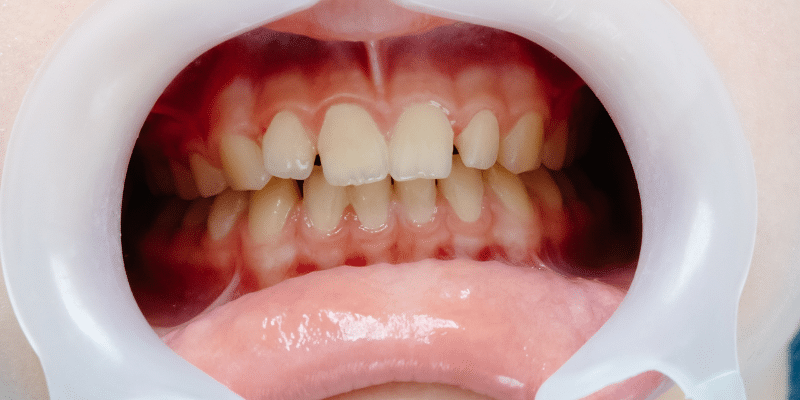
Look closely in the mirror after brushing tonight. Do your front teeth look shorter on one side than the other? Are the edges flat, chipped, or oddly rounded compared to a few years ago? If so, you might be dealing with something more than a cosmetic quirk. You could have a bad bite quietly reshaping your smile, tooth by tooth, every time you chew.
This is one of the most common reasons people start searching for an orthodontist in Issaquah WA, often after their dentist mentions the word “malocclusion” for the first time. And the good news is straightforward: yes, a professional orthodontist can correct uneven tooth wear caused by a bad bite, and catching it early usually means a simpler, faster fix. Whether you’re a longtime Issaquah resident or you just moved out from Seattle for the schools and the trails, understanding why this happens and what to do about it can save your teeth from years of unnecessary damage.
Why Do Teeth Wear Down Unevenly?
Teeth are built to share the load evenly. When you bite down, every tooth should meet its partner in the opposite arch at roughly the same time and with similar force. A bad bite throws that balance off. Instead of pressure spreading across your whole smile, it concentrates on just a few teeth, usually the front ones, or whichever teeth happen to collide first.
Over months and years, that concentrated force grinds enamel away faster in some spots than others. You end up with teeth that look chipped, flattened, translucent at the edges, or noticeably shorter than their neighbors. It’s not random wear and tear from age. It’s mechanical, and it keeps getting worse until the underlying bite problem is corrected.
Types of Bad Bites That Cause This
A handful of bite patterns are usually behind uneven wear:
- Overbite or deep bite — the upper front teeth overlap the lower teeth too much, so the lower teeth strike the back of the uppers with every bite.
- Crossbite — upper and lower teeth don’t line up correctly on one or both sides, causing lopsided pressure.
- Underbite — the lower jaw sits ahead of the upper jaw, wearing down teeth that were never designed to meet that way.
- Crowding or rotated teeth — misaligned teeth create uneven contact points, so a few teeth absorb pressure meant for the whole arch.
Grinding your teeth at night (bruxism) can make any of these worse, but the bite misalignment is usually the root cause your orthodontist needs to address first.
Can Treatment Actually Reverse the Damage?
Orthodontic treatment can’t regrow enamel that’s already worn away, but it can stop the wear from continuing and, in many cases, be paired with cosmetic work afterward to restore a tooth’s original shape. Braces or clear aligners gradually shift your teeth into a bite where pressure is distributed evenly again. Once that alignment is corrected, the destructive grinding pattern stops, and any remaining chips or flat edges can often be smoothed or built back up by your general dentist.
This is exactly why patients often need both a general dentist and an orthodontist working together — the dentist repairs the visible damage, while the orthodontist fixes the mechanical problem causing it in the first place.
What Treatment Looks Like Locally
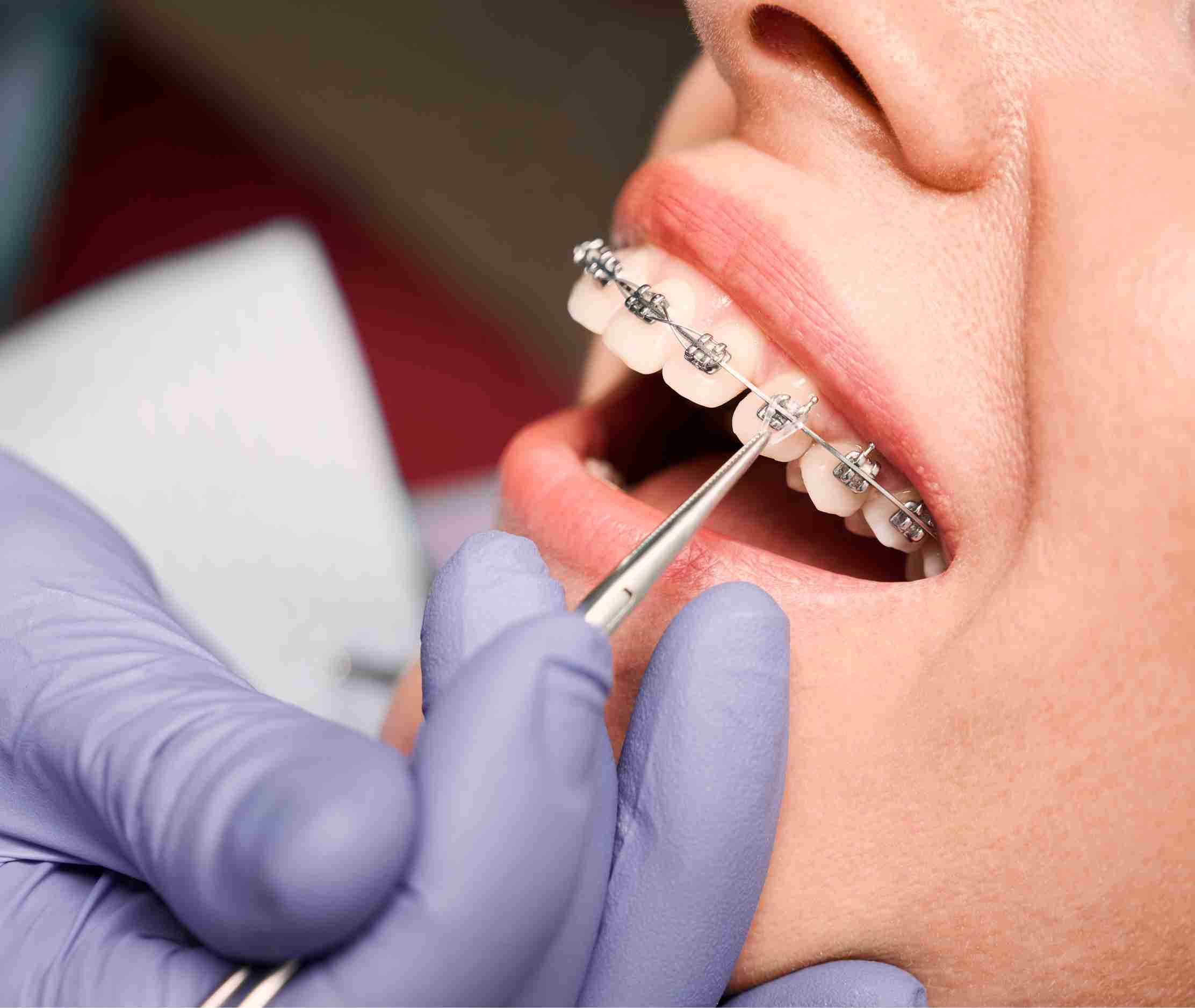
At our Issaquah office, we start every case the same way: a full bite analysis using digital scans and X-rays to see exactly how your teeth meet, where the pressure points are, and how your jaw joints are functioning. From there, treatment might involve traditional braces, tooth-colored brackets, or Invisalign clear aligners, depending on your bite and your lifestyle.
We’ve treated plenty of patients, teenagers and adults alike who came to us after noticing their bite had shifted over the years, chipping their front teeth in the process. Once treatment is complete and the bite is balanced, grinding and chipping simply stops happening, and patients are often amazed at how much healthier their teeth feel when they close their mouth naturally.
Finding an Orthodontist Near Me in Issaquah
If you’ve typed “orthodontist near me in Issaquah” into your phone while sitting in traffic on Front Street or waiting for a table near Gilman Village, you’re in good company. Between the Issaquah Highlands, Sammamish, Squak Mountain, and the neighborhoods around Lake Sammamish State Park, a lot of families are juggling school pickups, soccer practice at the Issaquah Community Center, and everything in between which is exactly why finding a nearby, trusted orthodontist matters. You want a practice that fits into real life, not one that adds another long drive to your week.
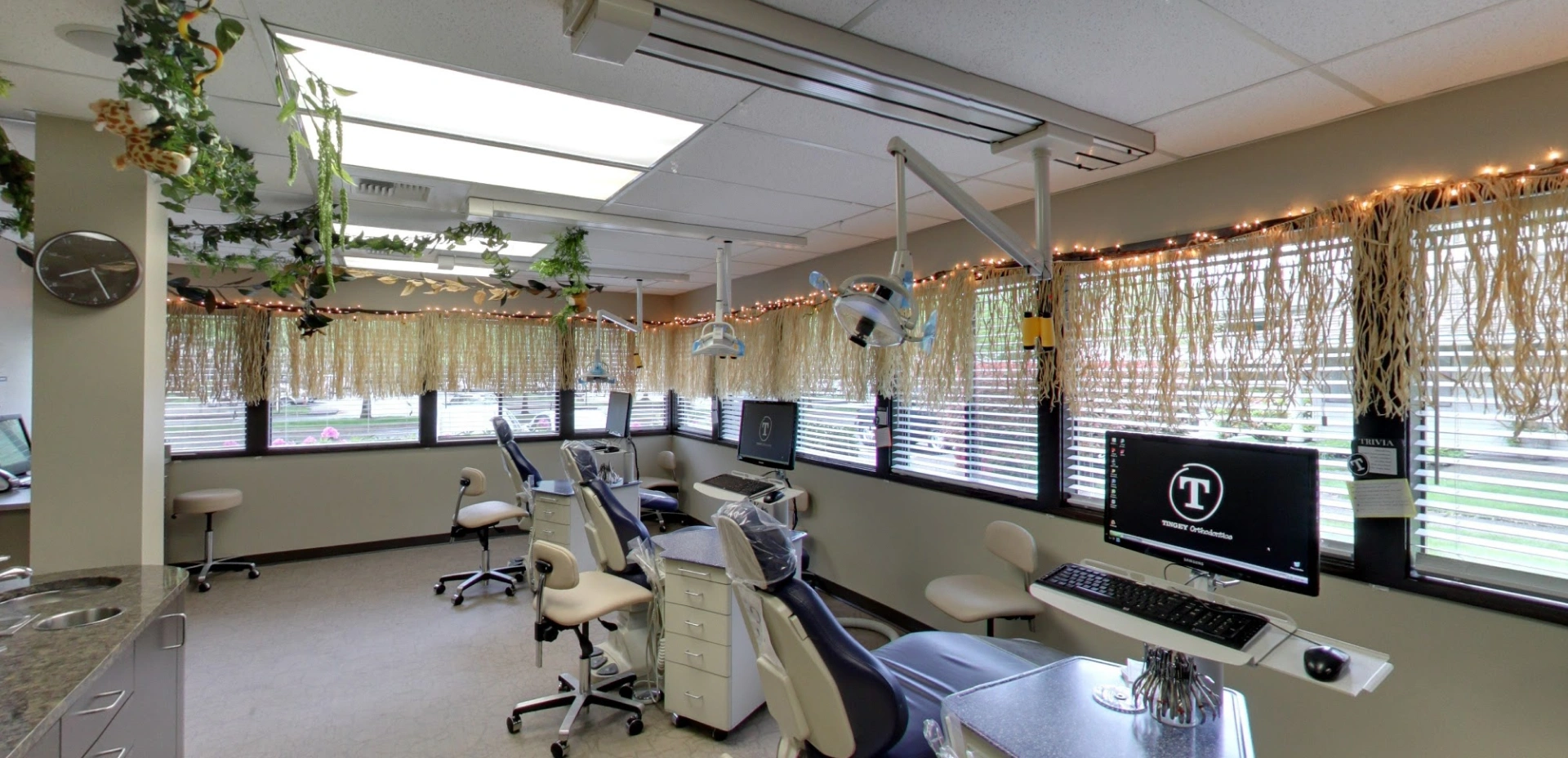
Our office sits right here in Issaquah, easy to reach whether you’re coming from downtown, Sammamish, Snoqualmie, or North Bend. Being an orthodontist in Issaquah WA with more than 25 years of experience means we’ve seen how local families live, and we build treatment schedules around that, not the other way around.
Why This Isn’t Something to Ignore
Uneven tooth wear rarely stays the same size and shape. Left uncorrected, it tends to progress: chips get bigger, sensitivity increases, and in more serious cases, the extra strain on your jaw joint can lead to TMJ discomfort, headaches, or jaw pain. Correcting the bite now is almost always simpler and less expensive than repairing extensive damage later.
If your dentist has flagged bite wear during a routine cleaning, or you’ve simply noticed your smile doesn’t look the way it used to, it’s worth a conversation with an orthodontist in Issaquah WA before the problem grows.
Ready to Protect Your Teeth and Bite?
Uneven tooth wear won’t fix itself, but it doesn’t have to keep getting worse, either. If you’ve been searching for an orthodontist near me in Issaquah, our team at Tingey Orthodontics is right here in the neighborhood, ready to identify exactly what’s happening with your bite and create a personalized treatment plan that fits your lifestyle.
Book an appointment today, and let us help restore proper bite function, protect your teeth from further wear and support long-term oral health for years to come.
Frequently Asked Questions
Can uneven tooth wear lead to tooth sensitivity?
Yes. As enamel wears down, the underlying dentin becomes exposed, making your teeth more sensitive to hot, cold, or sweet foods and drinks.
Can Invisalign help fix uneven tooth wear?
Invisalign can correct many bite issues that cause uneven tooth wear by improving tooth alignment and distributing biting forces more evenly.
Does uneven tooth wear always mean I need braces?
Not always. Your orthodontist will evaluate your bite and recommend braces, clear aligners, or another treatment based on the cause and severity.
What happens if uneven tooth wear is left untreated?
Without treatment, tooth wear can worsen over time, increasing the risk of chipped teeth, jaw discomfort, and more extensive dental repairs.
Should I see an orthodontist if my dentist notices uneven wear?
Yes. If your dentist identifies bite-related tooth wear, an orthodontist can determine whether a bad bite is causing the problem and recommend the right treatment.