Pay your Bill
Why Are My Lower Front Teeth Getting More Crowded With Age?


If you’ve caught yourself running your tongue over your bottom front teeth lately and noticing they feel a little tighter than they used to, you’re not imagining it. This is one of the most common questions patients bring up during a consultation, and it usually starts the same way: “My teeth were straight for years, why are they shifting now?” The short answer is that your teeth never really stop moving, even long after braces or growing up have come and gone.
Late lower incisor crowding, as dentists call it, happens gradually and often catches people off guard in their thirties, forties and beyond. If you’ve been searching for an orthodontist near me in Issaquah to figure out what’s going on, you’re already asking the right question, because catching this early makes treatment simpler and less invasive. Local orthodontic treatment can help determine whether the changes are related to normal aging, a bite issue or something that needs attention before it gets worse. Here in Issaquah, where so many of our patients are active outdoors, commuting to Seattle, or chasing kids around Lake Sammamish State Park, a straightforward answer matters more than a long list of possibilities.
What Actually Causes This Crowding
Teeth are not set in stone once you reach adulthood. Several things happen quietly over the years that push your lower front teeth closer together.
- Natural forward drift. Teeth lean slightly forward and inward over a lifetime, a process sometimes called mesial drift. It’s most noticeable on the lower arch because there’s less room to begin with.
- Wisdom teeth pressure. Even wisdom teeth that never fully erupt can push against the back teeth, creating a chain reaction that eventually crowds the front.
- Jawbone changes. As we age, the jawbone narrows slightly, especially the lower jaw. Less bone width means less space for the same sixteen teeth.
- Loss of retention. If you had braces or Invisalign years ago and stopped wearing your retainer, relapse is extremely common. Teeth remember where they came from and slowly work their way back.
- Gum and bone health. Mild gum recession or bone loss can loosen the support around teeth just enough to let them shift under everyday chewing forces.
None of these happen overnight. That’s why so many people don’t notice the change until a photo, a dentist’s comment, or that new lower-tooth overlap makes it obvious.
Why It Matters Beyond Appearance
Crowded lower front teeth aren’t just a cosmetic concern, even though that’s usually what brings people through our doors first. Overlapping teeth are harder to floss and clean properly, which raises the risk of cavities and gum disease along the bottom arch. Some patients also start noticing uneven wear on their edges or a bite that feels slightly off compared to years ago. Left alone, mild crowding tends to become moderate crowding, and treatment that could have been simple gets more involved the longer it’s put off.
What You Can Do About It
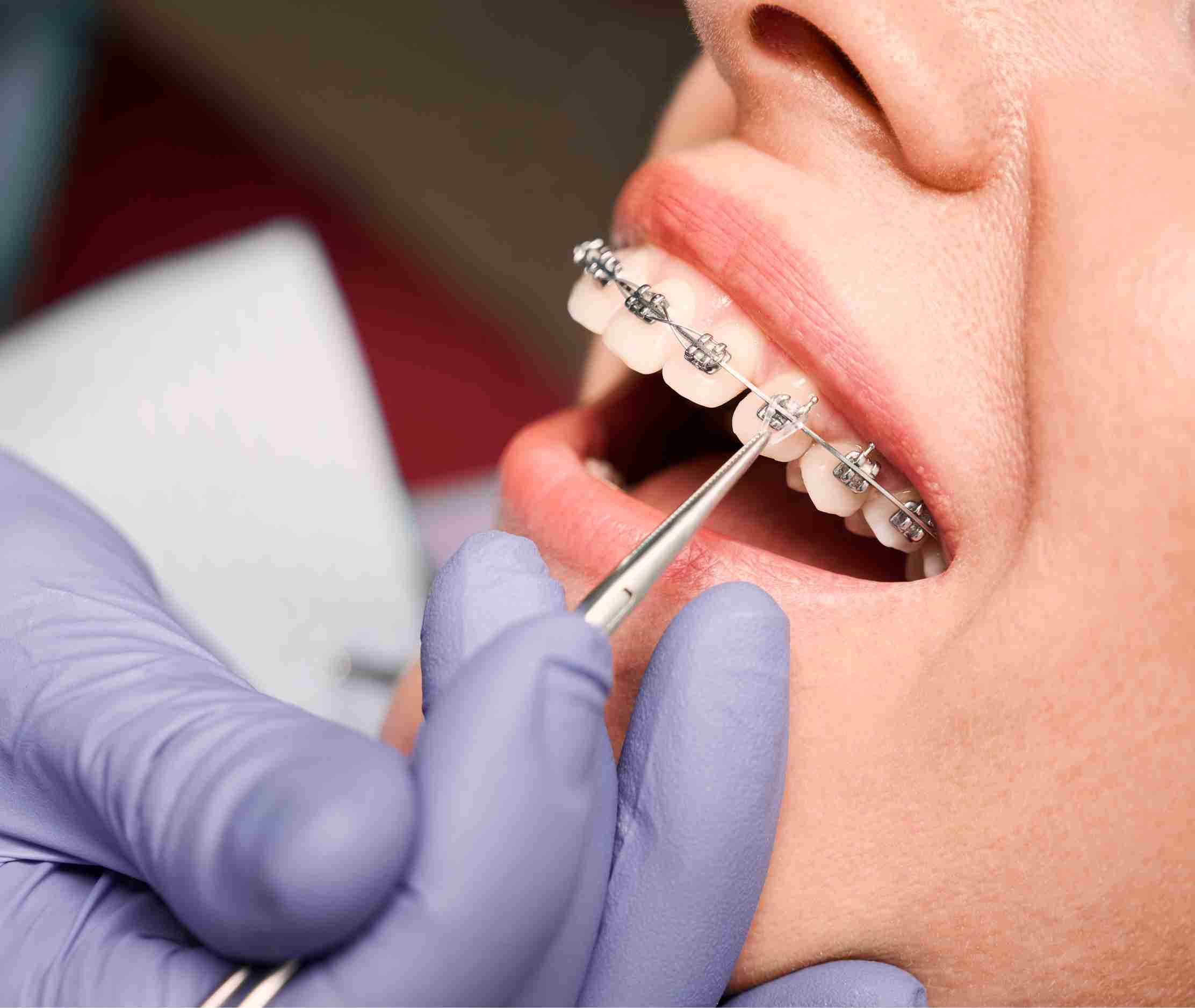
The good news is that adult treatment today looks nothing like it did a generation ago. Many of our patients in Issaquah, Sammamish, and Snoqualmie choose clear aligners like Invisalign specifically because they’re barely noticeable during work meetings or weekend trips out to Gilman Village. Others prefer a simple fixed retainer or a short round of limited treatment focused only on the front teeth. The right option really depends on how much crowding is present, whether your bite is affected, and what your goals are.
At your consultation, we’ll take a look at your bite, check for any signs of past relapse, and walk you through realistic options: no pressure, no guesswork. Some patients only need a retainer refresh. Others benefit from a few months of clear aligners to tidy things up before it becomes a bigger issue.
Finding the Right Care Close to Home
Issaquah has grown a lot over the past decade, and so has the number of dental offices scattered from the Issaquah Highlands down to Front Street. When patients type an orthodontist near me in Issaquah into Google, what they’re really asking is who they can trust with a straightforward, honest answer, not a sales pitch. That’s the approach Dr. Tingey has been with local families for more than 25 years, treating patients from Issaquah, Sammamish, Snoqualmie and North Bend with the same personal attention whether they’re 10 years old or 60.
Being part of this community means we see familiar faces at Salmon Days every October and understand that our patients want care that fits into busy Eastside schedules, not the other way around. If your lower front teeth have been bothering you, a quick, no-pressure conversation is usually all it takes to know your next step.
If your smile has been quietly changing and you’re ready for real answers, Tingey Orthodontics is here for you. Serving Issaquah, Sammamish, Snoqualmie and North Bend for over 25 years, Dr. Tingey and our team make it easy to get a clear, honest treatment plan built around your life. Call (425) 392-9224 or book your consultation today.
Frequently Asked Questions
Is it normal for teeth to shift after having braces years ago?
Yes. Teeth naturally drift over time, and if a retainer wasn’t worn consistently, some relapse is common even ten or twenty years later.
Can crowded lower front teeth be fixed without full braces?
Often, yes. Many adults with mild to moderate crowding are good candidates for a short course of clear aligners or a limited treatment plan focused just on the front teeth.
At what age does this type of crowding usually start showing up?
It tends to become noticeable in the thirties and forties, though the underlying shifting can begin much earlier and go unnoticed for years.
How do I know if I need treatment or if this is just normal aging?
The only reliable way to know is a short evaluation. A quick exam and a few photos are usually enough to tell whether it’s cosmetic drift or something that could affect your bite and oral health long term.