Pay your Bill
Orthodontic Treatment: Finding the Right Option for Your Smile


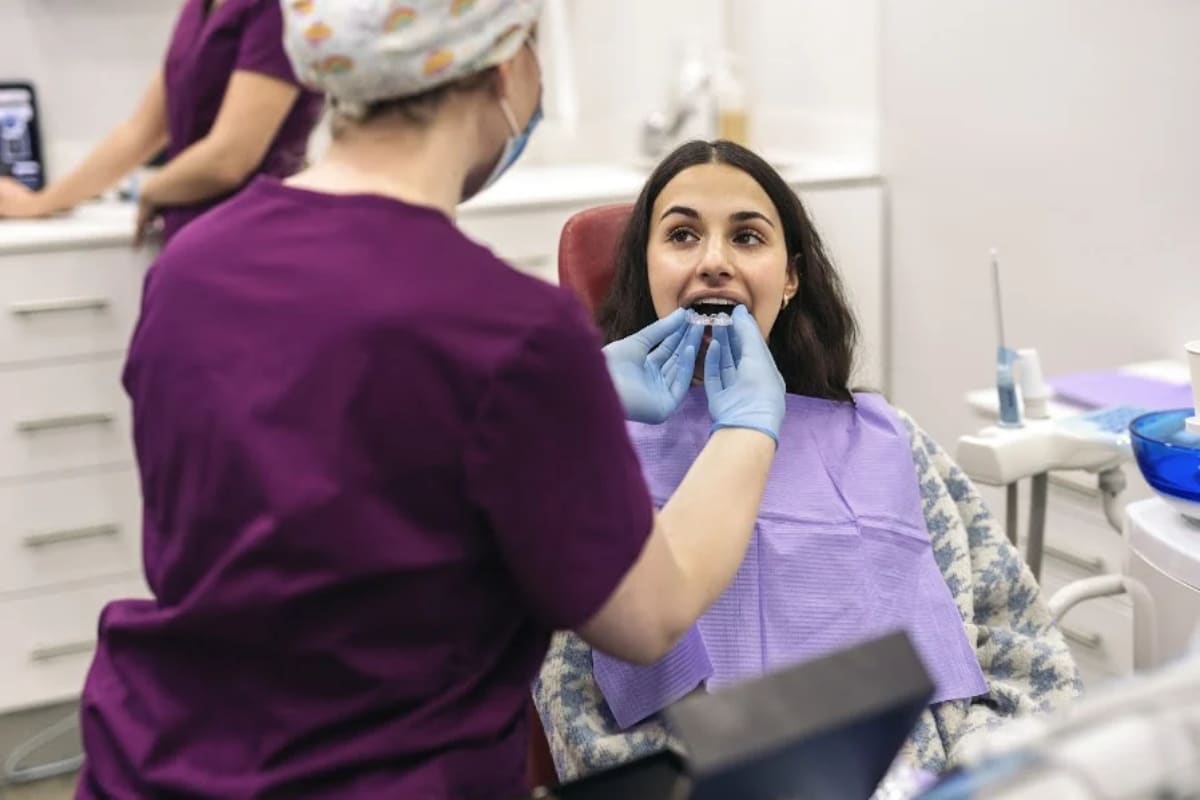
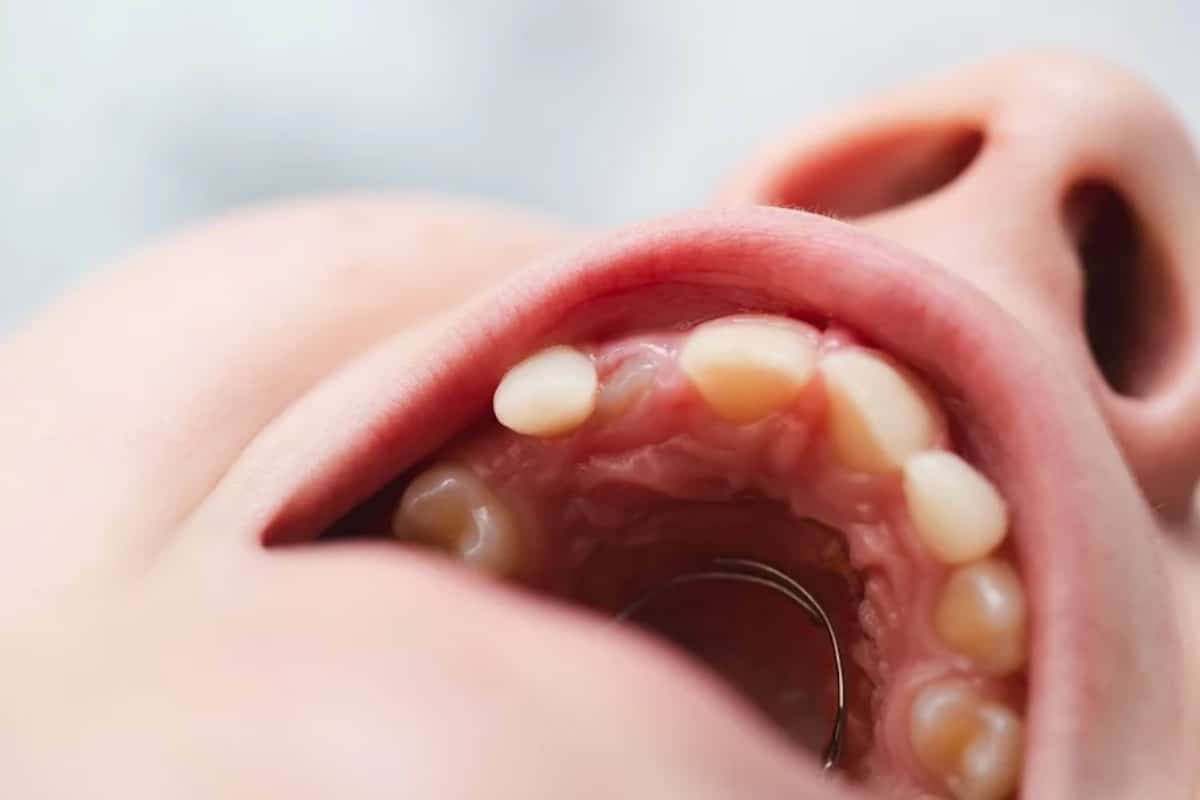
Crooked teeth, noticeable gaps, and bite problems can affect more than your appearance. They may also make chewing uncomfortable and everyday oral hygiene more difficult. Fortunately, modern orthodontics offers several treatment options for children, teenagers, and adults.
From traditional braces to Invisalign clear aligners, patients have different ways to improve their dental alignment. Each approach addresses specific concerns based on individual needs. Understanding orthodontic treatment in Issaquah can help you make an informed decision about your smile.
Why Orthodontic Treatment Matters for Your Oral Health
Orthodontic care focuses on correcting misaligned teeth and improving how the upper and lower teeth fit together. Proper alignment supports comfortable chewing and makes certain areas easier to clean. It may also reduce uneven tooth wear caused by improper bite contact.
Common orthodontic concerns include:
- Crowded or overlapping teeth.
- Noticeable gaps between teeth.
- Overbites and excessive overjets.
- Underbites and crossbites.
- Open bites affecting tooth contact.
- Certain jaw alignment problems.
Not every patient requires the same treatment approach. An orthodontist evaluates the underlying concern before recommending the appropriate appliance.
Orthodontic Treatment Options Available at Tingey Orthodontics
Modern orthodontics offers several ways to correct dental alignment and bite concerns. Tingey Orthodontics provides different appliances for patients with varying treatment needs.
Traditional Metal Braces
Traditional metal braces remain a widely used option for straightening teeth. They use stainless steel brackets and archwires to apply controlled pressure. Gradually, this pressure guides teeth toward their planned positions.
Metal braces can address crowding, spacing, and various bite concerns. Their fixed design provides continuous treatment without requiring daily appliance removal.
Clear Ceramic Braces
Clear ceramic braces function similarly to traditional metal braces. However, their tooth-colored brackets create a less noticeable appearance. This makes them appealing to teenagers and adults seeking discreet orthodontic care.
Ceramic brackets require careful cleaning and maintenance throughout treatment. Your orthodontist can determine whether they suit your alignment concerns.
Self-Ligating Braces
Self-ligating braces use specialized clips to secure orthodontic wires. Unlike traditional braces, they do not require elastic ligatures around every bracket. Their design may simplify certain cleaning tasks and adjustments.
These braces are available in metal and clear options. Treatment duration still depends on individual orthodontic needs and tooth movement.
Invisalign Clear Aligners
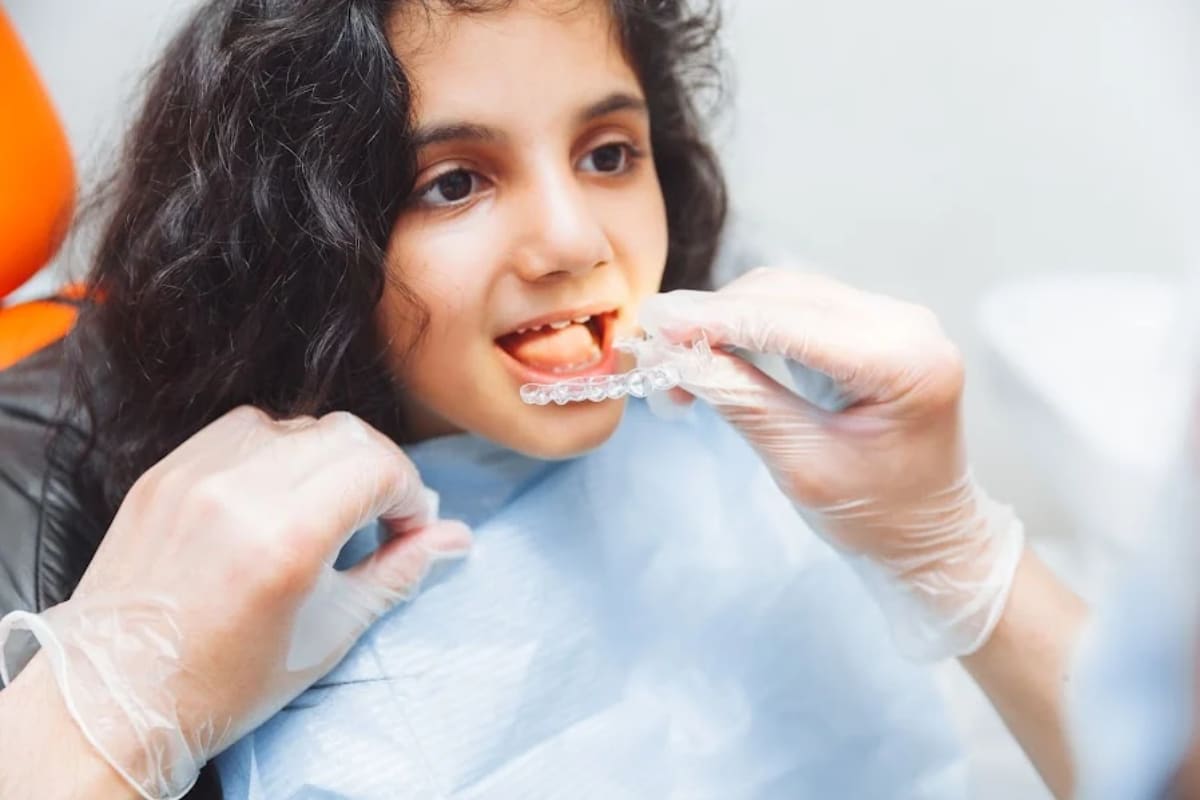
Invisalign uses a series of custom-made, transparent aligners to straighten teeth. Each aligner applies gentle, controlled pressure to guide specific movements. Patients remove their aligners before eating, brushing, and flossing.
Invisalign can address selected crowding, spacing, and bite problems. However, successful treatment requires consistent daily wear and professional monitoring.
Specialized Orthodontic Appliances
Some patients need additional appliances to address specific dental or jaw development concerns. Tingey Orthodontics offers palatal expanders, space maintainers, Herbst appliances, and other orthodontic devices.
These appliances serve different purposes depending on the patient’s condition. The orthodontist recommends them only when clinically appropriate.
How to Choose the Right Orthodontic Treatment
Selecting an orthodontic treatment involves more than choosing between visible and discreet appliances. Your dental condition, lifestyle, and treatment goals influence the recommendation.
Several factors help determine the appropriate approach.
Severity of Dental Misalignment
Mild spacing problems may require different treatment mechanics than complex bite concerns. The orthodontist examines your teeth and jaw relationships before recommending an appliance.
Age and Dental Development
Children may benefit from early evaluations while their jaws are developing. Teenagers and adults can also receive orthodontic care based on their needs.
Lifestyle and Daily Routine
Traditional braces remain attached throughout treatment. Invisalign aligners require consistent daily wear and removal during meals. Patients should consider which responsibilities fit their daily routine.
Appearance Preferences
Some patients prefer clear aligners or ceramic brackets for their subtle appearance. Others choose traditional braces because they prefer fixed orthodontic treatment.
What Happens During Orthodontic Treatment?
Orthodontic care begins with understanding your dental condition and treatment goals. A structured process helps guide each stage of tooth movement.
Initial Orthodontic Consultation
The orthodontist examines your teeth, bite, and jaw relationships. Digital scans, photographs, or X-rays may provide additional information for treatment planning.
Personalized Treatment Planning
Your orthodontist reviews the findings and explains suitable treatment options. The plan includes recommended appliances, expected treatment stages, and an estimated timeline.
Beginning Your Treatment
Braces are attached to your teeth, or custom aligners are provided. Patients receive instructions about appliance care, eating habits, and oral hygiene.
Progress Monitoring
Regular appointments allow the orthodontist to assess tooth movement and appliance function. Adjustments or replacement aligners help guide treatment according to the plan.
Retention and Follow-Up
After active treatment, retainers help maintain the corrected tooth positions. Following retention instructions reduces the risk of unwanted tooth movement.
How Long Does Orthodontic Treatment Usually Take?
Orthodontic treatment timelines vary according to individual needs. Some patients require relatively simple alignment corrections, while others need extensive bite adjustments.
Several factors influence treatment duration:
- Severity of crowding or spacing.
- Complexity of bite correction.
- Individual response to tooth movement.
- Consistency with scheduled appointments.
- Following appliance care instructions.
Your orthodontist can provide an estimated timeline after evaluating your condition. Regular monitoring helps determine whether treatment is progressing as planned.
Daily Habits That Support Orthodontic Care
Maintaining healthy teeth and gums remains important throughout orthodontic treatment. Good oral hygiene also helps reduce preventable dental complications.
Patients should follow these recommendations:
- Brush twice daily with fluoride toothpaste.
- Floss daily using suitable cleaning tools.
- Avoid hard and sticky foods when wearing braces.
- Wear Invisalign aligners according to instructions.
- Attend regular dental cleanings.
- Report damaged appliances promptly.
- Follow the prescribed retainer schedule.
Patients with braces should carefully clean around brackets and wires. Clear aligner users should clean their teeth before reinserting their trays.
Begin Your Orthodontic Journey at Tingey Orthodontics
Choosing orthodontic care starts with understanding your dental needs. At Tingey Orthodontics, Dr. MacKay Tingey provides personalized treatment for children, teenagers, and adults. The practice offers traditional braces, clear braces, self-ligating braces, Invisalign, and specialized appliances.
Families from Issaquah, Sammamish, Snoqualmie, and nearby communities can access comprehensive orthodontic care. Each treatment plan considers the patient’s alignment concerns, bite relationships, and long-term dental health.
Ready to explore your orthodontic options? Contact Tingey Orthodontics to schedule your complimentary consultation and take the first step toward a healthier smile.
Frequently Asked Questions
1. What orthodontic treatment is suitable for crooked teeth?
Traditional braces, clear ceramic braces, and Invisalign can correct many crooked teeth. The appropriate treatment depends on crowding severity, bite alignment, and individual dental health. An orthodontist can recommend an option after examining your teeth.
2. Can adults receive orthodontic treatment?
Yes, adults can receive orthodontic care for crowding, spacing, and bite problems. Available options include traditional braces, ceramic braces, and Invisalign. An orthodontic evaluation helps determine the appropriate treatment based on dental health and alignment needs.
3. Is Invisalign more effective than traditional braces?
Neither option is universally more effective. Invisalign provides removable clear aligners, while traditional braces use fixed brackets and wires. Treatment suitability depends on the complexity of tooth movements, bite concerns, and patient cooperation.
4. How often should I visit my orthodontist during treatment?
Appointment frequency depends on your orthodontic appliance and treatment plan. Many patients attend progress visits approximately every four to eight weeks. Your orthodontist will recommend a suitable schedule to monitor tooth movement and make necessary adjustments.