Pay your Bill
Can Bite Problems Get Worse With Age? Long-Term Effects Explained


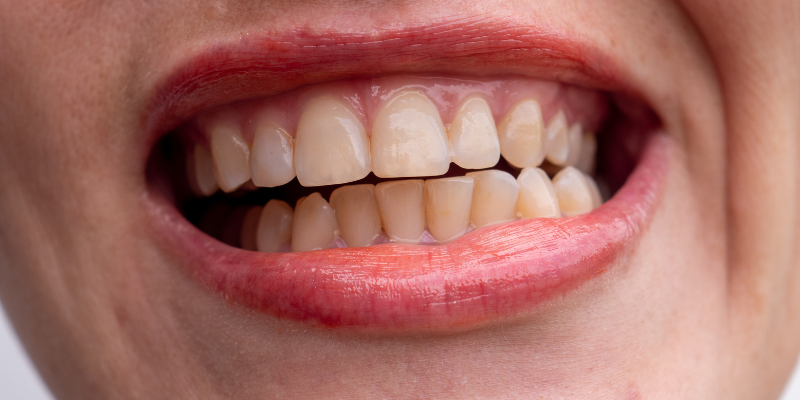
Most of us grow up thinking that if we skipped braces as a kid, we simply missed our window. That’s not quite true. A bite problem doesn’t sit still over the years. It shifts, it adapts, and in many cases, it slowly gets worse. If you’ve ever caught yourself wondering why your teeth feel more crowded at 40 than they did at 20, you’re not imagining things, and you’re definitely not alone.
Here in Issaquah, we see this pattern often enough that it’s worth talking about openly. Jaws change shape, gums recede slightly over time, and the muscles we use for chewing and speaking gradually adapt their habits. An orthodontist who monitors these changes over the years, rather than evaluating a single moment in time, can recognize the difference between a minor cosmetic concern and a bite problem that’s quietly progressing. In many cases, early evaluation and orthodontic treatment can help prevent more complex alignment and bite issues from developing later on.
Why Bites Don’t Stay The Same
Teeth are not cemented in place the way they appear to be. They sit in bone that remodels constantly, and they respond to forces from chewing, clenching, grinding, and even the position of your tongue at rest. As we age, several factors tend to work together to influence tooth movement and bite alignment. If you’ve ever searched for an orthodontist near me in Issaquah because your teeth seem to be shifting, understanding these changes is an important first step. Several things tend to happen together as we get older:
Bone density in the jaw can decrease, especially after menopause or with certain medications, giving teeth more room to drift. Gum tissue can recede, exposing more of the tooth root and changing how teeth sit against each other. Years of low-grade grinding or clenching, often from stress, wear down enamel unevenly and pull the bite out of alignment bit by bit. Add in the natural forward pressure teeth exert on each other over a lifetime, called mesial drift, and you have a slow but steady recipe for crowding, even in someone who had straight teeth in their twenties.
None of this happens overnight. It’s the kind of change you notice only when you compare old photos or when a denture or bridge suddenly doesn’t fit the way it used to.
A few common culprits behind a shifting bite include:
- Decreasing jaw bone density with age, which gives teeth more room to drift
- Gum recession that changes how teeth sit against each other
- Chronic teeth grinding or clenching, often tied to stress
- Natural forward pressure from neighboring teeth over time (mesial drift)
The Long-Term Effects Nobody Warns You About
A bite that’s slightly off in your twenties can become a genuine functional problem decades later. Misalignment doesn’t just affect how your smile looks in photos; it changes how forces are distributed across your jaw joint every single time you eat, talk, or swallow.
Left unaddressed, this can lead to jaw joint discomfort, frequent headaches, and uneven enamel wear that exposes sensitive layers of the tooth. Some patients develop chewing inefficiency without realizing it, favoring one side of the mouth for years until that side’s teeth and jaw muscles are doing far more work than they should. Others notice gum recession concentrated around crowded teeth, since tightly packed teeth are harder to clean thoroughly with a toothbrush and floss.
There’s also a less obvious consequence: speech and breathing patterns can shift subtly as the bite changes, particularly if crowding worsens at the front of the mouth or the jaw relationship changes enough to affect airway space during sleep.
Why Waiting Rarely Pays Off
We understand the hesitation. Many adults assume orthodontic treatment is something you either do as a teenager or skip entirely. But bite problems are progressive, not static, and the earlier a shift is caught, the simpler the fix tends to be. A minor crowding issue today might need a few months of clear aligner treatment. The same issue left alone for ten more years could involve a more complex combination of orthodontic movement and restorative work to repair worn or shifted teeth.
If you live around Issaquah, Sammamish, or the greater Eastside, you already know how active this community is, from the trail systems around Tiger Mountain to the youth sports leagues that fill up Issaquah Community Center. An uncomfortable bite or jaw ache isn’t something that fits well into that pace of life. Getting it evaluated sooner rather than later tends to save both time and money down the road.
What This Looks Like At Different Life Stages
In your thirties and forties, bite changes often show up as new crowding on the lower front teeth, the area most prone to mesial drift, along with occasional jaw clicking that wasn’t there before. In your fifties and beyond, gum recession and bone changes become bigger factors, and existing dental work like crowns or bridges can be affected if the bite shifts around them. At every stage, the right move is the same: get a professional opinion before guessing whether it’s “just aging” or something that genuinely needs attention.
Finding The Right Help Locally
If you’ve searched online for an orthodontist near me in Issaquah, chances are you’re already noticing one of these warning signs, whether it’s a tooth that feels different against its neighbor, a jaw that pops when you chew, or a smile that doesn’t match old photographs. That instinct to look into it is worth trusting.
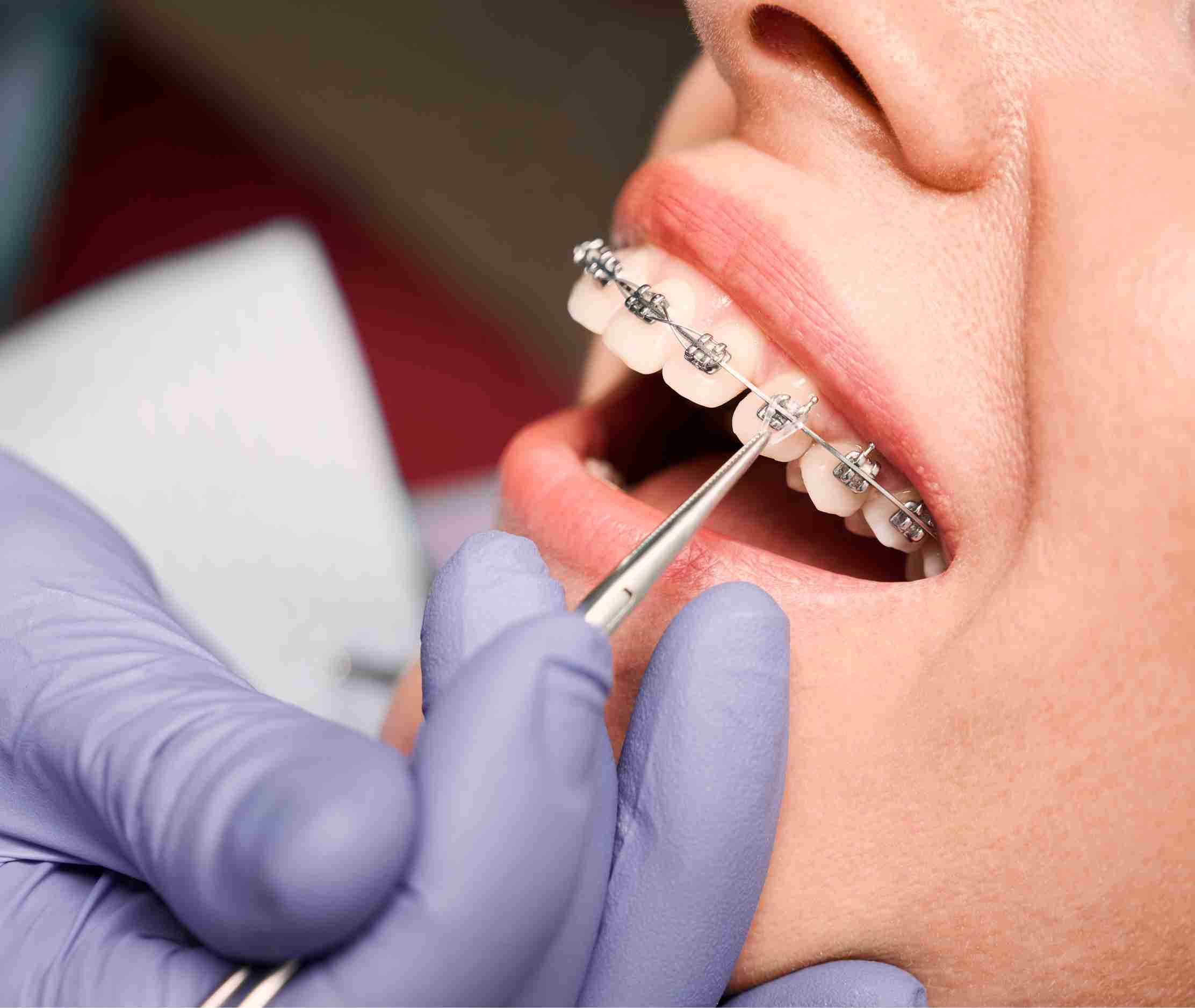
A thorough evaluation typically includes digital scans, a bite analysis, and a conversation about your specific history, including any clenching or grinding habits, past dental work, and family patterns of tooth movement. From there, modern options like clear aligners or low-profile braces make correcting an adult bite far more comfortable and discreet than most people expect.
Don’t Let A Slow Shift Become A Bigger Problem
Bite problems rarely announce themselves loudly. They creep in over years, and by the time they’re obvious, they’ve often become more complicated to treat. If something feels different about how your teeth meet, trust that instinct and get it checked.
At Tingey Orthodontics, we work with patients across every life stage, from teenagers getting their first set of braces to adults addressing decades of gradual bite changes. If you’ve been searching for an orthodontist near me in Issaquah, we’d love to take a look and help you understand exactly what’s going on with your bite.
Book an appointment with Tingey Orthodontics today and take the first step toward a healthier, more comfortable bite.
Frequently Asked Questions
Can a bite get worse even if my teeth were straight as a teenager?
Yes. Mesial drift, gum and bone changes, and grinding habits can shift even a previously straight bite over the decades.
Is it too late to fix a bite problem in your forties or fifties?
Not at all. Adult orthodontic treatment is common and often more efficient than people expect, especially when caught before significant wear occurs.
What are early signs my bite might be changing?
New crowding on lower front teeth, jaw clicking or soreness, uneven enamel wear, and teeth that feel different against each other when biting down.
Does grinding or clenching really affect bite alignment?
Yes. Chronic grinding applies uneven forces to teeth over years, gradually pulling the bite out of its original position.