Pay your Bill
Lost a Baby Tooth Too Early? When Does Your Child Need a Space Maintainer?


Baby teeth do more than help children chew and speak. They also hold important positions for the permanent teeth developing underneath. Losing a baby tooth too early can sometimes affect how those permanent teeth emerge.
Parents may assume an early missing tooth creates little concern. However, neighboring teeth can gradually move into the empty space. A space maintainer may help preserve the room needed for the incoming permanent tooth.
For families in Issaquah, understanding this orthodontic appliance can help protect developing smiles. Knowing when professional evaluation matters can also prevent avoidable alignment concerns.
Why Do Baby Teeth Need to Stay in Place?
Baby teeth serve as natural guides for permanent tooth eruption. Each primary tooth helps maintain space within the developing dental arch. Their positions support the orderly arrival of adult teeth.
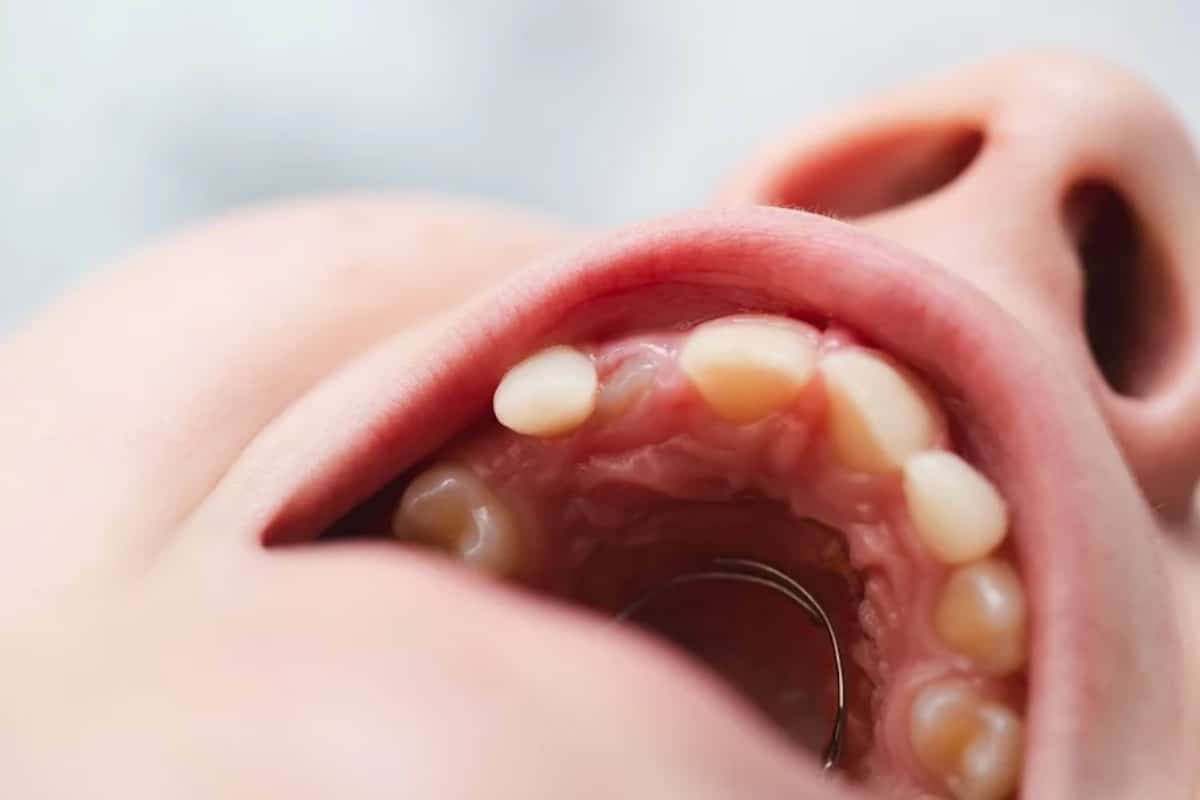
When a baby tooth falls out naturally, its permanent replacement usually follows an expected developmental pattern. However, premature tooth loss can disrupt that sequence. Nearby teeth may gradually shift toward the open space.
This movement can reduce room for the permanent tooth. The incoming tooth may then erupt in an unfavorable position. Some children may develop crowding or additional alignment concerns.
Not every early baby tooth loss creates an orthodontic problem. The child’s age, tooth location, and eruption development all matter.
What Causes Premature Baby Tooth Loss?
Children can lose baby teeth earlier than expected for several reasons. Identifying the cause helps determine whether additional dental care is necessary.
Common reasons include:
- Dental decay: Severe cavities may damage a baby tooth beyond repair.
- Dental injuries: Falls and sports accidents can cause early tooth loss.
- Infection: Certain infections may require premature tooth removal.
- Extraction: A dentist may remove a primary tooth because of extensive damage.
- Developmental concerns: Some children experience unusual tooth eruption patterns.
Parents should arrange an evaluation after premature tooth loss. A dentist or orthodontist can assess the surrounding teeth and permanent tooth development.
What Is a Space Maintainer?
A space maintainer is an orthodontic appliance that preserves room after premature baby tooth loss. It helps prevent neighboring teeth from drifting into the empty area.
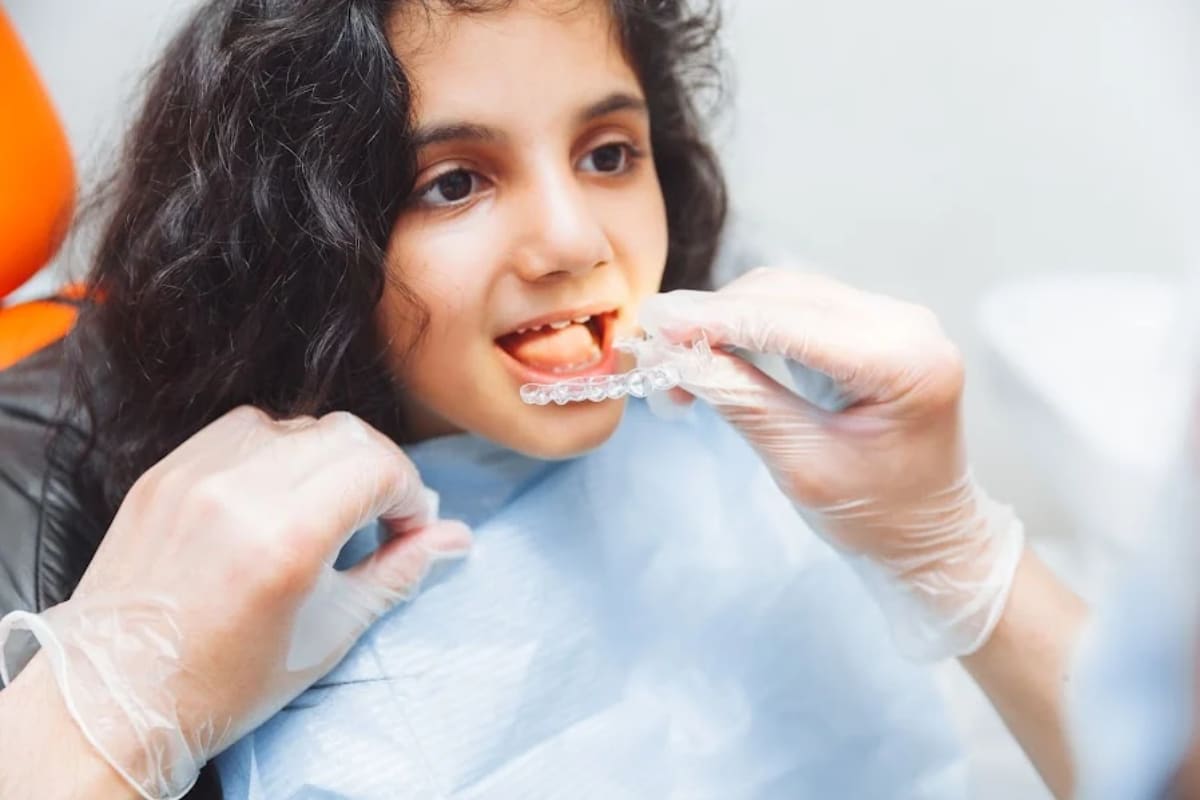
Depending on the child’s needs, the appliance may be removable or fixed. Fixed appliances generally attach to nearby teeth. Removable designs resemble small dental retainers.
The orthodontist selects an appropriate design based on several factors. These include the missing tooth’s location, the child’s age, and permanent tooth development.
Space maintainers do not replace missing teeth. Their primary purpose involves preserving space for the permanent tooth.
When Might Your Child Need a Space Maintainer?
Not every child who loses a baby tooth requires an appliance. Some permanent teeth are already close to eruption. Others may have enough natural space available.
An orthodontist may recommend evaluation when:
- A baby molar disappears well before its replacement erupts.
- Neighboring teeth begin moving toward the empty space.
- The permanent tooth still needs significant time to emerge.
- Dental development creates a risk of future crowding.
- The missing tooth affects an important area of the dental arch.
The timing of tooth loss plays an important role. An orthodontic assessment helps determine whether maintaining space is necessary.
Types of Space Maintainers for Children
Different appliances address different missing-tooth situations. The orthodontist considers the child’s dental anatomy before choosing an option.
Fixed Space Maintainers
Fixed appliances remain attached to nearby teeth. Children cannot remove them independently. Common designs include:
- Band-and-loop appliance: A metal band attaches to one tooth. A small loop extends across the empty space.
- Lower lingual holding arch: A wire connects the lower back teeth. It helps preserve space across the lower dental arch.
- Transpalatal arch: This appliance connects upper molars across the palate. It can help maintain their positions.
- Nance appliance: A wire connects upper molars and includes an acrylic button. The button rests against the palate.
Not every design suits every child. The orthodontist determines which appliance addresses the specific space concern.
Removable Space Maintainers
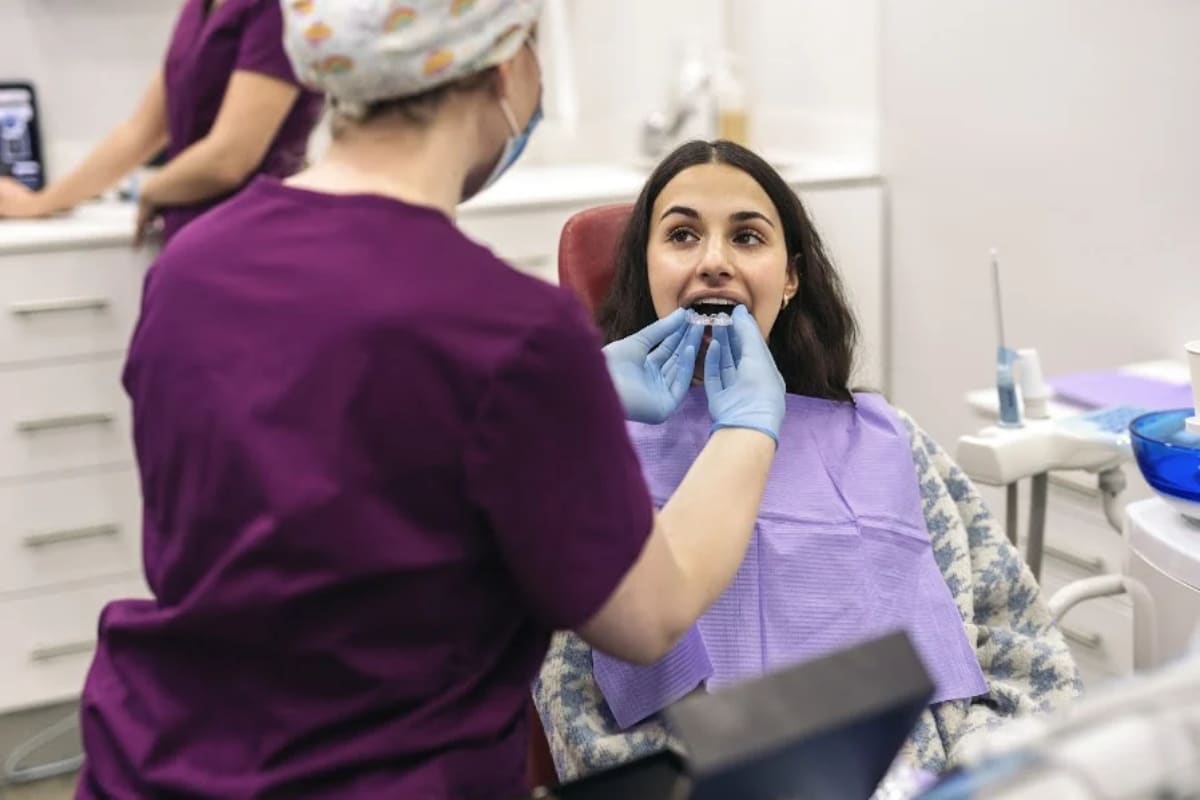
Removable appliances resemble retainers and can be taken out for cleaning. Some designs include replacement teeth for appearance and function. Their success depends heavily on consistent use.
Younger children may struggle with remembering removable appliances. Parents should discuss practical considerations before choosing this option.
Caring for a Space Maintainer
Proper maintenance helps protect the appliance and surrounding teeth. Parents can support their children through consistent daily habits.
- Brush carefully around the appliance and supporting teeth.
- Floss as directed by the orthodontic team.
- Avoid sticky candy and hard foods.
- Do not pull or bend appliance components.
- Keep scheduled orthodontic appointments.
- Report looseness, breakage, or discomfort promptly.
Food particles can collect around appliance components. Regular cleaning helps reduce plaque buildup and gum irritation. Professional monitoring also confirms whether the appliance remains appropriate.
How Tingey Orthodontics Supports Growing Smiles in Issaquah
Early orthodontic treatment for children can help identify problems before permanent teeth finish erupting. Space maintenance is one option for protecting developing dental arches.
At Tingey Orthodontics, Dr. MacKay Tingey evaluates children’s dental development and orthodontic needs. The practice offers space maintainers among its treatment appliances.
Families in Issaquah and nearby Sammamish can arrange an orthodontic evaluation. The team can assess premature tooth loss and explain appropriate next steps.
Frequently Asked Questions
1. Does every child need a space maintainer after losing a baby tooth?
No, many children do not need one. The decision depends on the missing tooth’s location, eruption timing, and available space. An orthodontic evaluation helps determine whether an appliance is necessary.
2. How long must a child wear a space maintainer?
Children generally wear the appliance until the permanent tooth approaches eruption. The timeline varies according to the missing tooth and dental development. Regular appointments help determine when removal becomes appropriate.
3. Can a space maintainer cause discomfort?
Children may experience temporary irritation while adjusting to an appliance. Persistent soreness, loose components, or gum irritation require professional attention. The orthodontist can check the fit and recommend necessary adjustments.
4. Can children eat normally with a space maintainer?
Most children can maintain regular eating habits with minor adjustments. Sticky candies and hard foods may damage the appliance. Parents should follow the orthodontist’s specific dietary instructions.
Protect the space your child’s permanent teeth need. Book an appointment to discuss early orthodontic care.